

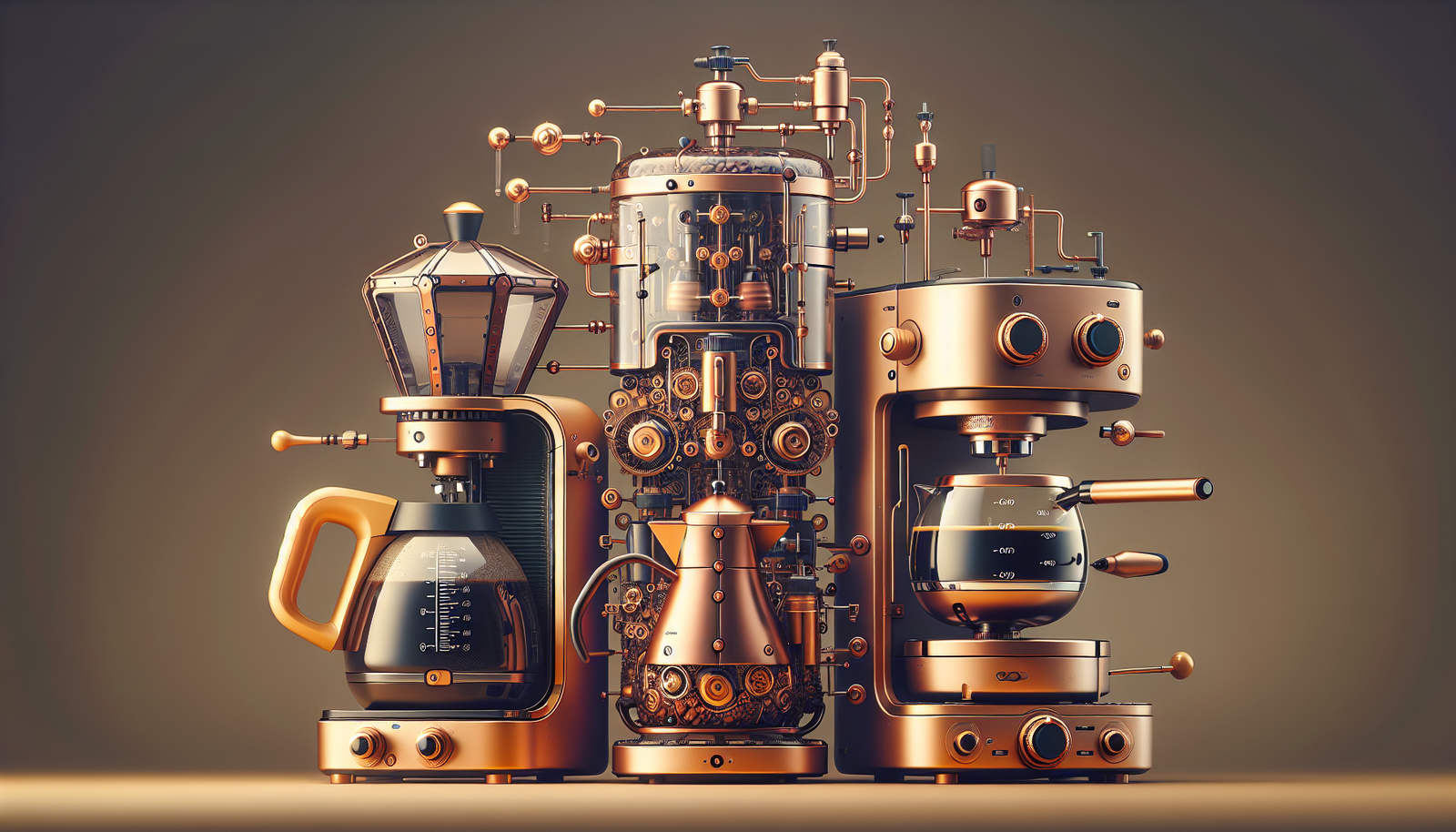

Have you ever found yourself wondering about the inner workings of the coffee machines that bring so much joy to your mornings? If you’re like most coffee enthusiasts, you’ve probably wondered how these magical contraptions transform simple coffee grounds and water into your favorite caffeinated brew. In this comprehensive guide, we’ll explore how coffee makers, percolators, and espresso machines actually work, taking the mystery out of your daily brew and providing insights into the fascinating processes involved.
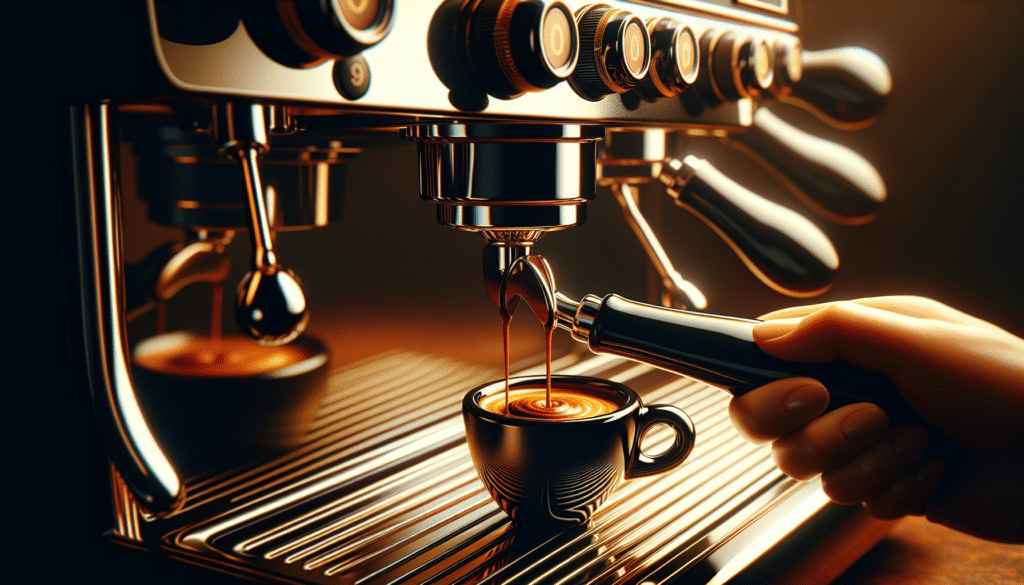
Table of Contents
Feeling foggy, stuck, or emotionally off?
- • Trouble focusing or feeling scattered
- • Low energy or emotional drive
- • Feeling disconnected or stuck
These tools can help you reset, refocus, and reconnect:
- 🔋 Mitolyn
- Cellular energy & mitochondrial support
- 🌙 SleepLean
- Restful sleep & metabolic balance
- 💧 ProstaVive
- Prostate comfort & urinary support
The Role of Coffee Machines in Everyday Life
Coffee has a unique place in our daily routines, often acting as the catalyst that kick-starts our day. It’s more than just a beverage; it’s a ritual. The efficiency and convenience that coffee machines bring to this ritual cannot be overstated. Without them, we’d likely be stuck spending more time and effort boiling water over an open flame like our early ancestors. But how do these machines simplify the art of coffee making?
Coffee Makers: The Staple of Many Kitchens
Most households have a drip coffee maker, known for its simplicity and reliability. But what’s the secret behind their reliable delivery of that much-needed caffeine boost every morning?
How Drip Coffee Makers Work
A drip coffee maker consists of several components that work together seamlessly. The main parts include a reservoir, a heating element, a showerhead, and a carafe. Here’s a breakdown of how they function:
-
Water Reservoir: You start the process by filling this compartment with water. The machine then draws water from this reservoir throughout the brewing cycle.
-
Heating Element: Located at the bottom, it heats the water to the ideal temperature for brewing. Most coffee makers aim for a temperature between 195-205°F (90-96°C).
-
Showerhead: The hot water is directed through this component, which disperses the water evenly over the coffee grounds.
-
Filter Basket: This holds the coffee grounds and filters out the used grounds, allowing only the brewed coffee to pass through.
-
Carafe: Finally, the brewed coffee drips down into the carafe, ready to be served.
The water heating process is a bit of engineering magic. As water heats up, it rises through a tube to the showerhead due to a thermosiphon. This method ensures that the water temperature is just right to extract the flavors from the coffee grounds efficiently.
Percolators: A Nod to Tradition
Long before the drip coffee maker’s popularity surged, percolators held court in many homes. They still evoke a sense of nostalgia for many coffee lovers.
How Percolators Work
Percolators cycle the boiling brew through the coffee grounds multiple times. Let’s uncover the mechanism that powers this old-school wonder:
☕ Transform Your Coffee Into a Wellness Ritual
Smarter caffeine habits, mindful routines, and fat-burning brew strategies.

🌞 Morning Routine — Burn More Fat
🧪 Science Behind Your Sip — Does Coffee Help?
-
Boiling Water Cycle: The percolator heats the water until it boils. The pressure from boiling causes water to rise through a central tube.
-
Grounds Immersion: Once at the top, the water is dispersed over the coffee grounds, which are contained in a filter basket.
-
Re-Circulation: As the water trickles through the grounds and back into the pot below, the percolation process repeats multiple times, making the brew stronger with each cycle.
This repeated cycle is what differentiates percolators, often resulting in a more intense coffee flavor compared to drip coffee makers. The simplicity of percolators is both their charm and their challenge, as they require more attention to avoid over-extraction and bitterness.
Espresso Machines: The Art of Pressure
Espresso machines are the heart of the coffee shop experience, offering a stronger and more concentrated coffee option. But how do they accomplish this magical extraction?
How Espresso Machines Work
Espresso machines might seem complex, but their operation centers around one principal element: pressure. Here’s a sneak peek behind the curtains of your favorite espresso maker:
-
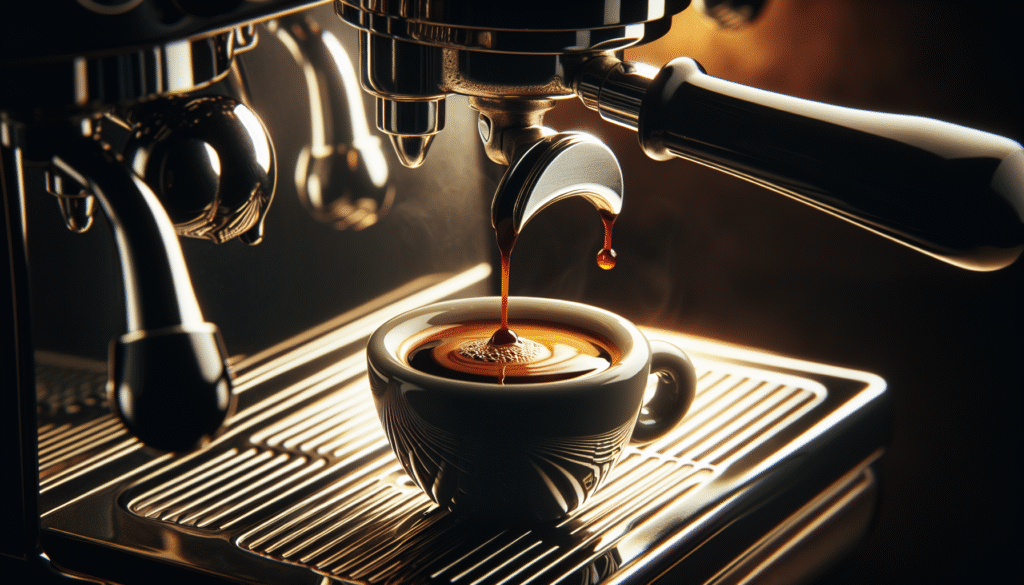
Water Tank and Pump: The machine draws cold water from a tank. The pump then forces this water through the system at high pressure, typically at 9 bars (roughly nine times atmospheric pressure).
-
Boiler/Heating System: Water is heated rapidly to the desired temperature, slightly below boiling, necessary for extracting espresso.
-
Portafilter and Coffee Puck: Ground coffee is tightly packed into a portafilter, creating a “puck” through which the pressurized water must pass.
-
Extraction Process: The high-pressure water is forced through the puck to extract the espresso in a matter of seconds, producing a thick, crema-topped shot of espresso.
The precision in pressure, temperature, and timing in espresso machines is what creates the rich, bold flavor and creamy mouthfeel that espresso lovers crave.
Key Differences Between Coffee Makers, Percolators, and Espresso Machines
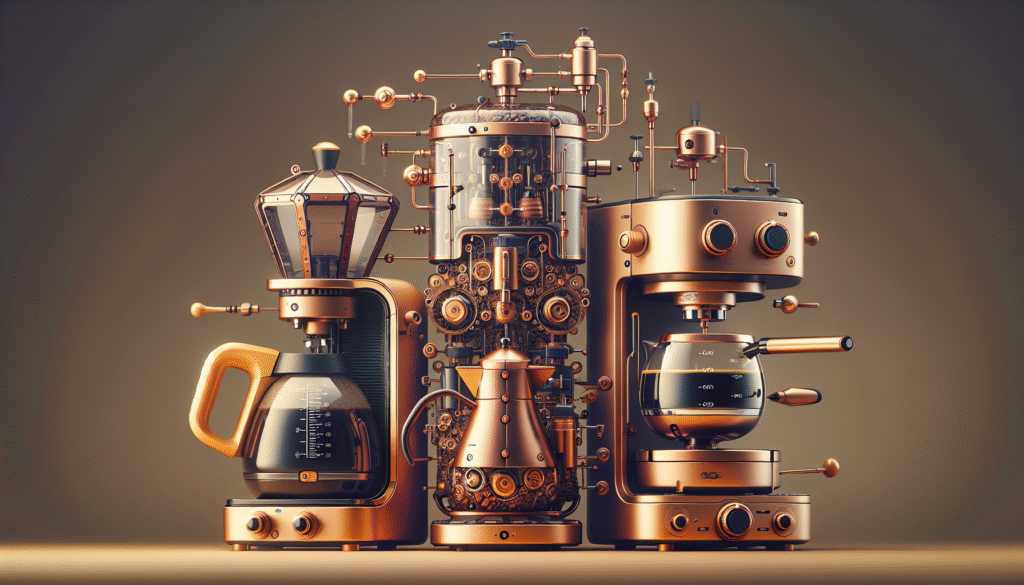
While all these machines share the common goal of brewing coffee, they do so using vastly different methods. Here’s a quick comparison to crystallize these differences for you:
| Feature | Drip Coffee Maker | Percolator | Espresso Machine |
|---|---|---|---|
| Brewing Method | Hot water drips over grounds | Boiling water cycles through grounds | Pressurized water forced through puck |
| Flavor Profile | Balanced and mild | Intense and robust | Strong and concentrated |
| Brewing Time | 5-10 minutes | 7-10 minutes | 25-30 seconds |
| Coffee Strength | Moderate | Strong | Very strong |
| Temperature Control | Automatic | Manual | Automatic |
With this comparison, you can see how each method caters to different taste preferences and lifestyles. Whether you prefer the convenience of a drip, the traditional charm of a percolator, or the barista-like experience of an espresso machine, there is a perfect method to fit your coffee style.
FAQs About Coffee Machine Operations
As you tinker with your coffee gadget, a few common questions might pop into your head. Let’s tackle some frequently asked questions:
Why Does My Coffee Taste Bitter?
Bitterness in coffee usually results from over-extraction. This can happen if the water is too hot, the coffee grounds are too fine, or if the brewing time is too long. Adjusting one or more of these factors should help you achieve a more balanced taste.
How Often Should I Clean My Coffee Machine?
Regular cleaning is crucial to keep your coffee machine in tip-top shape and your coffee tasting great. It’s recommended to clean your coffee maker every week or two, depending on how often you use it. Descaling should be done once a month if you have hard water, to remove mineral build-up.
Can Espresso Machines Make Regular Coffee?
Espresso machines are specifically designed for espresso shots, which are more concentrated than regular coffee. However, you can make an Americano (espresso with added hot water) to approximate the strength and volume of regular drip coffee.
How Does Grind Size Affect Coffee Brewing?
The grind size has a significant impact on brewing. Coarse grinds work best for percolators and French presses, while medium grinds are ideal for drip coffee makers. Espresso machines require fine grinds to achieve the desired extraction pressure.
Is It Safe to Use Tap Water for Brewing?
While tap water is safe for brewing, it may carry impurities and mineral content that affect the flavor. Using filtered water can enhance the taste of your coffee and help reduce mineral deposits in your machine.
Understanding the Basics: Coffee Machine Maintenance
Your relationship with your coffee maker, percolator, or espresso machine can become even more rewarding by incorporating regular maintenance habits. Proper care ensures longer life and consistently great-tasting brews.
Cleaning Tips for Coffee Makers
- Descale Regularly: Mineral deposits are your coffee maker’s enemy. Use a descaling solution or vinegar solution to remove build-up.
- Wash Removable Parts: Clean the carafe, filter basket, and other removable parts with warm, soapy water frequently.
- Use Fresh Water: Each brewing session should start with fresh, cold water to ensure optimal flavor.
Percolator Maintenance
- Regular Rinsing: After every use, rinse the percolating stem and basket thoroughly.
- Remove Stains: For stubborn stains, use a mixture of baking soda and water.
- Check Filters: Ensure that filters are free of debris to prevent clogging.
Espresso Machine Upkeep
- Backflush Daily: Backflushing prevents residue build-up in the internal system.
- Clean the Portafilter: The portafilter should be cleaned after each use to maintain the quality of the espresso.
- Steam Wand Attention: After every foaming session, purge and wipe the steam wand to avoid milk residue build-up.
Understanding and maintaining your coffee-making equipment can make a world of difference in your coffee experience. It not only extends the life of your machine but also ensures that every cup is as delightful as the last.
Conclusion: Embrace the Art of Coffee Making
By now, you should have a clearer picture of how coffee makers, percolators, and espresso machines each play a unique role in delivering that perfect start to your day. Whether you’re savoring the mild smoothness of a drip brew, the nostalgic intensity from a percolator, or the robust richness of an espresso shot, each cup is a testament to the remarkable engineering and tradition behind these devices. So, next time you prepare your coffee, you’ll not only be indulging in its delightful flavors but also appreciating the intricate process that brings that comfort into your cup. Embrace the journey of coffee making, for it is as satisfying as the first sip of a freshly brewed cup.