



Have you ever wondered if your discarded coffee grounds hold any hidden potential for your garden? Sure, they might spice up your compost pile, but can they do more than that? As you sip on your morning brew, the remaining grounds can find a new life outdoors, in your garden soil. While this may sound like a peculiar journey from cup to compost, the benefits and potential pitfalls of using coffee grounds in gardening have become a hot topic in plant-loving communities. So, let’s grab our metaphorical gardening gloves and take a closer look at how these remnants from your coffee maker can affect the pH of your soil, the bloom of your hydrangeas, and the overall health of your garden.
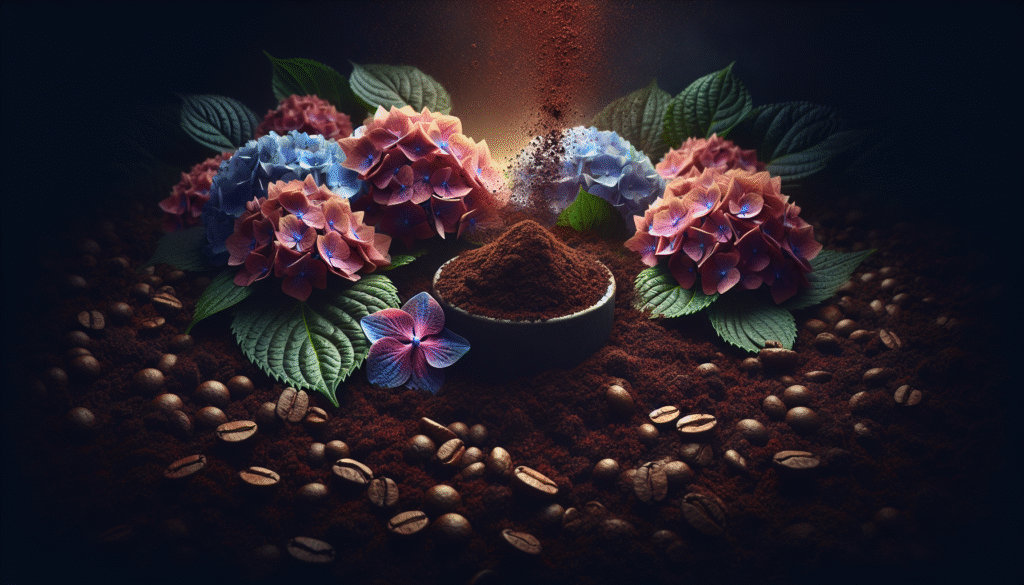
Table of Contents
Feeling foggy, stuck, or emotionally off?
- • Trouble focusing or feeling scattered
- • Low energy or emotional drive
- • Feeling disconnected or stuck
These tools can help you reset, refocus, and reconnect:
- 🔋 Mitolyn
- Cellular energy & mitochondrial support
- 🌙 SleepLean
- Restful sleep & metabolic balance
- 💧 ProstaVive
- Prostate comfort & urinary support
Understanding Soil pH
Before we get to the coffee grounds, let’s chat about soil pH. This little detail significantly impacts plant health and the absorption of nutrients. Basically, soil pH measures acidity or alkalinity, determining how your plants interact with the soil. With a scale from 0 to 14, a pH of 7 is neutral. Numbers less than 7 denote acidity, while numbers greater than 7 reflect alkalinity.
Why Soil pH Matters
Your garden plants rely on the right soil pH to thrive. When the pH skews too far in either direction, your plant’s ability to absorb essential nutrients diminishes. Each plant has its preferred pH range. For example, blueberries love acidic soil, while lavender prefers it on the alkaline side of things.
Checking Your Soil’s pH
To figure out your soil pH, you can use a home testing kit available at most garden centers. It’s smart to test your soil pH yearly to keep your plants happy and healthy. With this data in hand, you can make informed decisions about amending your soil to suit your plants’ needs.
The Coffee Grounds Potential
Now, let’s stir coffee grounds into this mix. Rich in nitrogen, coffee grounds are a lovely organic material that could boost your garden’s health. However, there has been much debate over their effect on soil pH.
Do Coffee Grounds Make Soil Acidic?
Fresh coffee grounds are indeed acidic, with a pH around 4.5 to 6.0. When added to soil, they can temporarily lower the pH, making the soil more acidic. This is beneficial for acid-loving plants like azaleas and blueberry bushes. But here’s the twist: once composted, coffee grounds become more neutral. So, the final effect of decomposed grounds can vary depending on your composting process.
Best Practices for Using Coffee Grounds
As with many things, moderation is key when using coffee grounds. Work them into the soil to a depth of about six inches, and consider them as part of your overall composting strategy. Balance is crucial—you want the grounds to complement other compost ingredients, not act as the main event.
☕ Transform Your Coffee Into a Wellness Ritual
Smarter caffeine habits, mindful routines, and fat-burning brew strategies.

🌞 Morning Routine — Burn More Fat
🧪 Science Behind Your Sip — Does Coffee Help?

Hydrangeas and the Color Conundrum
Are you a lover of showy hydrangea blooms? Perhaps you’ve noticed that these flowers tend to change color based on their environment. One of the factors influencing their hues is soil pH.
Hydrangeas and Soil pH
The dramatic hydrangea is most famous for its ability to flaunt either pink or blue blooms. If your heart sings for blue hydrangeas, you’ll need acidic soil. For pink, aim for alkaline. These color changes are due to aluminum availability in the soil, altered by pH levels.
Adding Coffee Grounds to Hydrangeas
Can your coffee grounds help in this colorful quest? Theoretically, yes! By adding fresh coffee grounds to your soil, you could tip the acidic scale in favor of blue blossoms. However, the change won’t happen overnight—developing the perfectly blue, cottage-garden dream takes time and repeated applications.
Coffee Grounds in the Garden
It’s not just about pH; coffee grounds bring other gifts to your soil, like improved structure and beneficial nutrients. But these benefits come with caveats.
Nutritional Benefits
Coffee grounds contribute organic material to the soil, helping to improve drainage, water retention, and aeration. They’re also a source of essential nutrients like nitrogen, potassium, and phosphorus, albeit in varying degrees.
The Good and the Bad
Here’s a neat trick: the coffee grounds can act as a natural slug repellent. However, be warned—not all plants enjoy the perks, and an overdose can lead to excess nitrogen levels, negatively impacting certain plants.
How to Use Them Properly
To maximize their benefits while minimizing risks, mix coffee grounds with other garden-friendly materials like grass clippings and leaves when using them as mulch or compost. This ensures your soil maintains balanced nutrients without the side effects of coffee’s potent nitrogen punch.

Common Coffee Ground Myths and Concerns
While the case sounds largely on the positive side for coffee grounds, several long-standing rumors might give gardeners pause. Addressing these concerns should dispel any lingering doubts.
Myth: Coffee Grounds Always Acidify Soil
As previously mentioned, the effect on soil acidity depends on whether the grounds are fresh or composted. Over time, they become more neutral, especially when composted.
Concern: Coffee Grounds Are Toxic to Pets
While coffee grounds can make your garden lush, they pose a risk to pets if ingested. Always blend them into the soil or compost, rather than leaving them on the surface.
Myth: Coffee Grounds Compete with Plants for Nitrogen
True, coffee grounds have nitrogen. However, the misconception lies in them supposedly depriving plants of nitrogen as they decompose. In reality, as they break down, they release nitrogen back into the soil.
Embracing Coffee Grounds in Your Garden
By now, you should be feeling the urge to transform the sleeper potential in your daily grounds into the MVP of your garden care routine. Coffee grounds offer a simple and sustainable way to enrich your soil, which supports plant health and growth.
Practical Tips for Using Coffee Grounds
- Coordinate Grounds Usage: Keep them in moderation, and monitor your soil’s pH and nutrient levels to ensure you aren’t swinging the pendulum too far.
- Compost Consistently: Add coffee grounds to your compost pile regularly to help them break down alongside other organic materials.
- Avoid Soil Overload: Integrate them sparingly with your garden soil directly, ensuring not to overload any one area or plant.

FAQs on Coffee Grounds and Gardening
How much coffee ground is too much for my garden?
Sprinkle about one-third coffee grounds to two-thirds other organic matter in compost to maintain balance. If using as mulch, aim for a thin layer to prevent compaction.
Can I use coffee grounds for all plants in my garden?
Not all plants enjoy the high nitrogen content or acidity of coffee grounds. Likewise, plants sensitive to caffeine like tomatoes and some root vegetables should be treated cautiously.
How often can I add coffee grounds to my compost or garden?
Weekly additions to compost help retain balance, but direct application to plants should be limited to monthly to avoid excessive nitrogen build-up and acidity changes.
What other uses are there for coffee grounds in the garden besides soil augmentation?
Beyond soil, use grounds to deter slugs, mulch acid-loving plants, freshen up compost bins, and even enhance the garden walkways with their pleasant aroma.
As the story of coffee grounds unfolds in your garden, it reaffirms that beauty lies even in the discarded. Turning today’s leftovers into tomorrow’s blooms is not just a mindful approach to waste management; it’s a symphony of nature and nurture that enhances your outdoor space, one cup at a time. So grab your steaming mug, take that invigorating sip, and let those coffee grounds work their magic on your botanical havens. Your garden will thank you, one bloom at a time!