

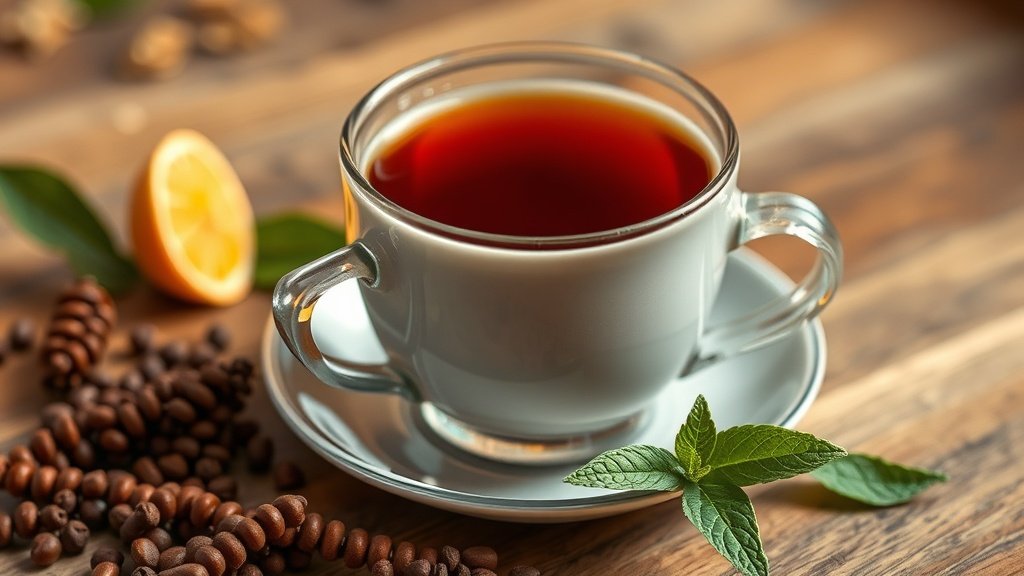

Tea Varieties for Hormone Balance Across Menstrual Cycle Phases
Menstrual Phase Tea Support
During the menstrual phase, when estrogen and progesterone levels are low, women often experience fatigue and discomfort. Herbal teas like red raspberry leaf and chamomile can provide remarkable relief. Red raspberry leaf tea contains fragarine, which helps reduce menstrual cramps and supports uterine health. Its muscle-relaxing properties can ease painful contractions and promote smoother menstrual flow.
Chamomile tea offers additional benefits during this phase, providing gentle anti-inflammatory effects and promoting relaxation. Its natural sedative qualities can help manage mood swings and reduce stress associated with hormonal fluctuations.
Feeling foggy, stuck, or emotionally off?
- • Trouble focusing or feeling scattered
- • Low energy or emotional drive
- • Feeling disconnected or stuck
These tools can help you reset, refocus, and reconnect:
- 🔋 Mitolyn
- Cellular energy & mitochondrial support
- 🌙 SleepLean
- Restful sleep & metabolic balance
- 💧 ProstaVive
- Prostate comfort & urinary support
Follicular Phase Tea Selections
As estrogen levels begin to rise during the follicular phase, women can benefit from teas that support hormonal regeneration and energy. Green tea emerges as an excellent choice, packed with antioxidants that help regulate hormone production and improve metabolic function.
Nettle leaf tea offers another powerful option, rich in minerals like iron and calcium. This nutrient-dense tea supports reproductive health and helps balance hormone levels naturally. Its adaptogenic properties can enhance overall vitality during this regenerative phase.
Ovulatory Phase Herbal Blends
During ovulation, when estrogen peaks, women can leverage specific tea varieties to support hormonal balance. Spearmint tea has shown promising results in reducing androgen levels, which can be particularly beneficial for those managing conditions like polycystic ovary syndrome (PCOS).
Dandelion root tea supports liver function, helping the body efficiently metabolize and eliminate excess hormones. This can be crucial during ovulation when hormonal shifts are most pronounced.
Luteal Phase Tea Recommendations
The luteal phase demands teas that help manage potential hormonal imbalances and premenstrual symptoms. Chaste tree berry tea, also known as vitex, can help regulate progesterone levels and reduce PMS symptoms like mood swings and breast tenderness.
Ginger tea provides anti-inflammatory benefits and can help alleviate bloating and digestive discomfort common during this phase. Its warming properties also support overall hormonal equilibrium.
☕ Transform Your Coffee Into a Wellness Ritual
Smarter caffeine habits, mindful routines, and fat-burning brew strategies.
🌞 Morning Routine — Burn More Fat
🧪 Science Behind Your Sip — Does Coffee Help?
Comprehensive Tea Selection Strategies
When selecting teas for hormone balance, consider these key factors:
- Choose organic, high-quality tea sources
- Rotate tea varieties to prevent potential overconsumption
- Listen to your body’s unique responses
- Consult healthcare professionals for personalized advice
Brewing and Consumption Tips
Maximize tea benefits by following these guidelines:
| Tea Type | Recommended Brewing Time | Daily Consumption |
|---|---|---|
| Green Tea | 2-3 minutes | 1-2 cups |
| Herbal Teas | 5-7 minutes | 2-3 cups |
Remember that individual hormone responses vary, so pay attention to how your body reacts to different tea varieties. While these herbal solutions offer natural support, they should complement—not replace—professional medical advice and a holistic approach to women’s health.
Integrating mindful tea consumption into your menstrual cycle management can be a delicious and supportive strategy for maintaining hormonal balance and overall well-being.
Herbal Tea Benefits for Hormonal Health
Understanding Hormonal Balance Through Tea
Different herbal teas interact with your body’s hormonal processes in unique ways. Each blend carries specific properties that can help regulate hormone production, reduce inflammation, and support your endocrine system. The key is selecting the right tea for your specific hormonal needs.
Top Herbal Teas for Hormonal Support
- Chasteberry Tea: Renowned for regulating menstrual cycles and reducing PMS symptoms
- Red Raspberry Leaf Tea: Supports reproductive health and helps balance estrogen levels
- Green Tea: Reduces cortisol and supports metabolism
- Dong Quai Tea: Helps manage menopausal symptoms and supports female hormonal balance
Addressing Specific Hormonal Challenges
Women experiencing different hormonal phases can benefit from targeted tea selections. During menstrual cycles, teas like chamomile can help reduce cramping and mood swings. For those navigating perimenopause or menopause, adaptogenic herbs like ashwagandha can provide significant relief from hormonal fluctuations.
Stress and Hormone Regulation
Chronic stress dramatically impacts hormone production. Adaptogenic teas play a crucial role in managing cortisol levels and supporting the body’s natural stress response. Herbs like holy basil and rhodiola can help normalize hormone production while reducing anxiety and promoting relaxation.
Metabolism and Hormonal Health
Certain herbal teas can boost metabolism and support thyroid function. Green tea, for instance, contains catechins that help regulate insulin sensitivity and support weight management – a critical factor in maintaining hormonal balance.
Brewing Techniques for Maximum Benefits
- Use filtered water at appropriate temperatures
- Steep herbs for recommended duration
- Choose organic, high-quality tea sources
- Consider loose leaf options for more potent benefits
Potential Interactions and Considerations
While herbal teas offer numerous benefits, it’s essential to consult healthcare professionals, especially if:
- You’re taking hormone-related medications
- Experiencing severe hormonal imbalances
- Pregnant or breastfeeding
- Have pre-existing medical conditions
Recommended Daily Intake
Most herbal teas are safe when consumed in moderation. Typically, 1-3 cups daily can provide hormonal support without overwhelming your system. However, individual tolerance varies, so start with smaller quantities and observe your body’s response.
Quality Matters
Invest in high-quality, organic herbal teas from reputable sources. Avoid teas with artificial additives or excessive processing, as these can diminish therapeutic properties.
herbal teas into your daily routine offers a holistic approach to hormonal health. These natural beverages provide gentle yet effective support, helping your body maintain its delicate hormonal balance through natural, plant-based solutions.
Understanding Hormone Fluctuations and Tea Support
Women’s hormonal health is a complex and delicate system that experiences continuous changes throughout the menstrual cycle. Natural tea varieties can play a remarkable role in supporting these intricate hormonal shifts, offering gentle yet effective support during different phases.
Menstrual Phase Support
During menstruation, your body experiences significant hormonal decline and inflammation. Specific teas can provide exceptional relief and comfort:
- Ginger tea reduces menstrual cramps and inflammation
- Raspberry leaf tea helps minimize uterine discomfort
- Chamomile tea promotes relaxation and reduces muscle tension
Follicular Phase Hormonal Harmony
As estrogen levels gradually rise, selecting supportive teas becomes crucial. Green tea emerges as a powerful ally during this phase, offering multiple benefits:
- Regulates insulin sensitivity
- Supports metabolism
- Provides antioxidant protection
Ovulation Phase Wellness
Peak hormone levels demand strategic nutritional support. Herbal blends can help manage potential hormonal fluctuations:
- Nettle leaf tea balances hormonal levels
- Peppermint tea reduces potential ovulation-related bloating
- Red clover supports estrogen metabolism
Luteal Phase Stress Management
Progesterone increases during this phase, potentially triggering mood variations and physical discomfort. Targeted tea selections can provide meaningful relief:
- Ashwagandha tea reduces cortisol levels
- Vitex (chasteberry) tea supports hormonal balance
- Lavender tea promotes relaxation and reduces anxiety
Comprehensive Hormonal Tea Benefits
Beyond phase-specific support, certain teas offer comprehensive hormonal wellness advantages:
| Tea Type | Hormonal Benefits |
|---|---|
| Green Tea | Reduces inflammation, supports metabolism |
| Spearmint Tea | Reduces testosterone levels, manages PCOS symptoms |
| Dong Quai Tea | Supports estrogen balance, reduces menstrual discomfort |
Brewing Considerations for Optimal Results
Maximizing tea’s hormonal benefits requires mindful preparation:
- Use filtered water
- Steep herbs for recommended duration
- Avoid excessive caffeine
- Choose organic, high-quality tea sources
Personalized Approach Matters
While teas offer remarkable hormonal support, individual responses vary. Consulting healthcare professionals and listening to your body’s unique signals remains paramount. Consider tracking your symptoms and tea consumption to understand personal patterns.
Hormonal wellness is a holistic journey encompassing nutrition, stress management, and mindful self-care. Integrating targeted tea strategies can transform your approach to menstrual health, providing natural, gentle support through each cyclical phase.
Brewing Techniques for Hormone-Balancing Teas
Discovering the perfect brewing techniques can transform your tea experience and support hormone balance. Whether you’re struggling with menstrual discomfort, menopausal symptoms, or simply want to optimize your hormonal health, the right tea preparation method can make a significant difference.
Understanding Tea Extraction and Hormone-Supporting Compounds
Different brewing techniques can impact the potency and effectiveness of hormone-balancing teas. Water temperature, steeping time, and preparation method play crucial roles in extracting beneficial compounds that support hormonal wellness.
Temperature Precision
Each herb requires a specific water temperature to release its most potent medicinal properties. Green teas and delicate herbs like chamomile perform best at lower temperatures around 160-180°F, while robust herbs like ginger and root-based blends can handle boiling water at 212°F.
Steeping Techniques for Maximum Benefit
- Short Steeps: Delicate herbs like raspberry leaf need 3-5 minutes to prevent bitterness
- Longer Infusions: Adaptogenic herbs like ashwagandha require 7-10 minutes for full compound extraction
- Cold Brewing: Gentle method preserving delicate nutritional profiles
Optimal Brewing Methods for Hormone Support
Different preparation techniques can unlock unique benefits for hormonal balance. Loose leaf teas generally offer superior nutrient profiles compared to standard tea bags, providing more concentrated medicinal properties.
Loose Leaf Preparation Techniques
Using a fine mesh strainer or traditional tea infuser allows herbs to expand fully, releasing maximum therapeutic compounds. Glass or ceramic brewing vessels are recommended to prevent chemical interactions that might compromise tea’s hormonal benefits.
Herbal Combination Strategies
Blending complementary herbs can enhance hormone-balancing effects. Combining adaptogenic herbs like maca with supportive ingredients such as nettle or red clover creates synergistic formulations that address multiple hormonal challenges.
Advanced Brewing Considerations
Water quality significantly impacts tea’s medicinal potential. Filtered or spring water without chlorine or heavy mineral content ensures pure extraction of beneficial compounds. Organic, sustainably sourced herbs provide the most potent hormone-supporting properties.
Timing and Frequency
Consuming hormone-balancing teas during specific menstrual cycle phases can optimize their effectiveness. For instance, chasteberry tea might be most beneficial during luteal phases, while red raspberry leaf could support follicular stage transitions.
Preservation and Storage Techniques
Proper tea storage maintains potency and prevents nutrient degradation. Store herbs in airtight, opaque containers away from direct sunlight and moisture. Keep temperatures consistent, ideally between 60-70°F, to preserve delicate compounds.
Recommended Storage Practices
- Use ceramic or glass containers with tight-sealing lids
- Avoid plastic storage which can leach chemicals
- Keep herbs in cool, dark environments
- Label containers with purchase and opening dates
By mastering these brewing techniques, you can transform simple tea preparation into a powerful strategy for supporting hormonal balance. Each carefully crafted cup becomes a ritual of wellness, delivering targeted nutritional support tailored to your body’s unique needs.
Lifestyle Factors Complementing Hormonal Tea Consumption
Movement and Physical Activity
Regular exercise serves as a powerful complement to hormone-balancing teas. Engaging in moderate physical activities like yoga, walking, or strength training can help regulate cortisol levels and support metabolic functions. Aim for at least 30 minutes of movement daily, which can work synergistically with herbal tea interventions to stabilize hormonal fluctuations.
Stress Management Techniques
Chronic stress dramatically impacts hormonal equilibrium. stress reduction practices alongside tea consumption can dramatically enhance hormonal harmony. Consider integrating:
- Meditation
- Deep breathing exercises
- Progressive muscle relaxation
- Journaling
- Mindfulness practices
These techniques help lower cortisol levels and create a more balanced internal environment for hormonal regulation.
Nutritional Support
Your dietary choices significantly influence hormonal balance. While drinking targeted herbal teas, focus on consuming whole, nutrient-dense foods that support endocrine function. Prioritize:
- Lean proteins
- Healthy fats
- Complex carbohydrates
- Fermented foods
- Colorful vegetables
Avoid processed foods, excessive sugar, and inflammatory ingredients that can disrupt hormonal signaling.
Sleep Optimization
Quality sleep is paramount for hormonal restoration and balance. Create a consistent sleep routine that complements your tea consumption strategy. Establish a calming evening ritual, limit screen time before bed, and aim for 7-9 hours of uninterrupted sleep.
Environmental Considerations
Minimize exposure to endocrine-disrupting chemicals found in:
- Plastic containers
- Personal care products
- Cleaning supplies
- Non-organic produce
Choose natural, organic alternatives that reduce toxic load and support hormonal health.
Hydration Strategies
Proper hydration enhances the absorption and effectiveness of herbal teas. Drink water consistently throughout the day, aiming for approximately 64 ounces. Herbal teas can contribute to your daily fluid intake while providing additional therapeutic benefits.
Supplemental Considerations
Consult with healthcare professionals about potential supplements that might complement your hormone-balancing tea regimen. Certain vitamins and minerals like vitamin D, magnesium, and omega-3 fatty acids can provide additional support for hormonal regulation.
Mind-Body Connection
Recognize the intricate relationship between mental well-being and hormonal balance. Cultivate positive thought patterns, practice self-compassion, and engage in activities that bring joy and reduce overall stress.
By integrating these lifestyle factors with your carefully selected hormone-balancing teas, you create a comprehensive approach to supporting your endocrine system. Remember that consistency and personalization are key to achieving optimal hormonal harmony.
Key Takeaway:
Key Takeaway: Tea for Hormone Balance – Your Natural Wellness Companion
Navigating hormonal health can be complex, but nature offers a powerful ally in herbal teas. This comprehensive guide reveals how strategic tea consumption can support your body’s hormonal journey through each menstrual cycle phase.
The key insight is that different teas can specifically target hormonal challenges during menstrual, follicular, ovulatory, and luteal phases. Understanding this connection empowers women to use tea as a natural, holistic approach to hormone balance.
During the menstrual phase, soothing teas like chamomile and ginger can help manage cramps and reduce inflammation. These gentle brews provide comfort and support when your body needs extra care. As you transition to the follicular phase, adaptogenic teas such as ashwagandha and raspberry leaf can help regulate estrogen levels and support overall reproductive health.
The ovulatory phase benefits from energizing teas like green tea, which contains antioxidants that support hormone metabolism. These teas can help manage potential hormonal fluctuations and provide a natural energy boost. During the luteal phase, teas like chasteberry and evening primrose can help manage PMS symptoms and support progesterone balance.
Brewing techniques matter significantly in maximizing tea’s hormonal benefits. Steeping times, water temperature, and using organic, high-quality herbs can enhance the therapeutic potential of these healing beverages. Loose-leaf teas often provide more concentrated benefits compared to standard tea bags.
Beyond tea consumption, lifestyle factors play a crucial role. Consistent sleep, stress management, balanced nutrition, and regular exercise complement the hormonal support provided by herbal teas. These holistic approaches work synergistically to promote overall hormonal wellness.
The most important takeaway is personalization. While these tea recommendations offer general guidance, every woman’s body is unique. Consulting with healthcare professionals and listening to your body’s signals can help you develop the most effective hormone-balancing tea strategy.
By integrating carefully selected teas into your wellness routine, you can support your body’s natural hormonal rhythms, reduce discomfort, and promote overall reproductive health. Tea becomes more than just a beverage—it transforms into a nurturing, therapeutic tool for hormonal balance.
Remember, consistency is key. Regular, mindful tea consumption, combined with a holistic lifestyle approach, can be a game-changer in managing hormonal health naturally and effectively.
Conclusion
Embracing tea as a natural ally in hormone balance offers women a holistic approach to supporting their menstrual cycle and overall well-being. By carefully selecting and brewing specific herbal teas, you can create a powerful wellness ritual that addresses hormonal fluctuations with gentle, natural support.
The journey of hormone balance is deeply personal, and tea becomes more than just a beverage—it’s a nurturing practice that connects you with your body’s intricate rhythms. From the soothing chamomile during your luteal phase to the energizing green tea supporting your follicular stage, each cup represents a mindful step towards hormonal harmony.
Remember that tea is most effective when integrated into a comprehensive approach to health. Combine your tea ritual with balanced nutrition, regular exercise, stress management, and adequate sleep. These lifestyle factors work synergistically with your carefully chosen herbal blends to optimize hormone regulation and overall wellness.
While no single tea is a magic solution, the cumulative effect of consistent, intentional tea consumption can make a significant difference in how you experience your menstrual cycle. Each brew is an opportunity to pause, reflect, and support your body’s natural processes.
Ultimately, understanding your unique hormonal landscape is key. Pay attention to how different teas make you feel, and don’t hesitate to consult healthcare professionals for personalized guidance. Your body is a complex, intelligent system, and with the right support, you can cultivate balance, resilience, and vibrant health—one thoughtful cup at a time.