

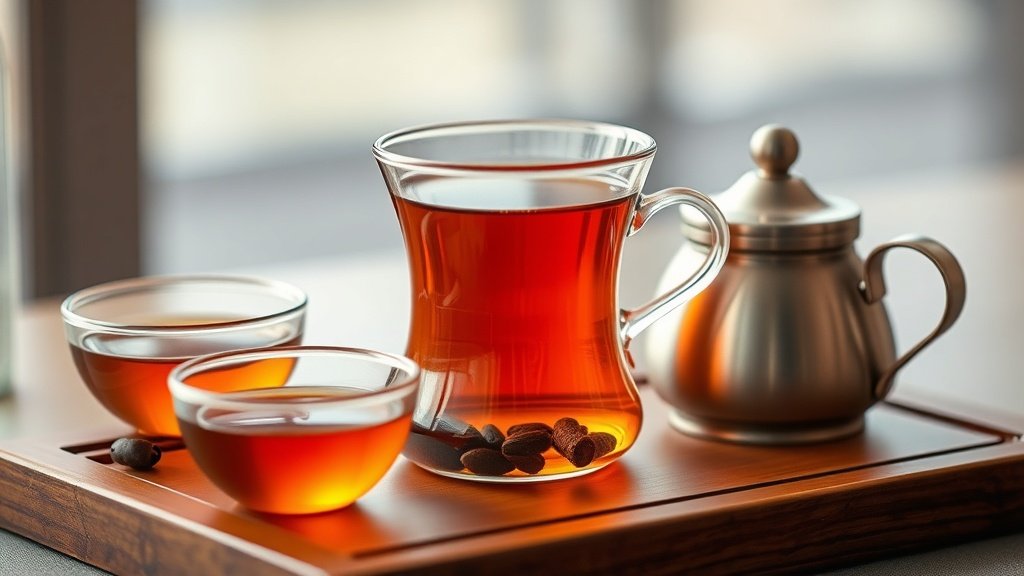

Essential Tea Brewing Tips Every Beginner Should Know
Are you excited to start your tea brewing journey? Brewing that perfect cup of tea can be a delightful experience. Many beginners might feel overwhelmed by the choices and steps involved. Fortunately, with a few essential tips, you can master the art of tea brewing in no time. Here are some valuable insights to help you get started.
Choosing Quality Tea
Your tea’s quality plays an important role in the taste of your brew. Always opt for loose leaf tea or high-quality tea bags from reputable brands. Look for whole leaves, as they provide a richer flavor compared to broken leaves or dust. Different types of tea—green, black, white, or herbal—require specific brewing techniques.
Understanding Water Temperature
The temperature of the water is critical when brewing tea. Using the right temperature will enhance the flavor and aroma. Here’s a quick guide:
Feeling foggy, stuck, or emotionally off?
- • Trouble focusing or feeling scattered
- • Low energy or emotional drive
- • Feeling disconnected or stuck
These tools can help you reset, refocus, and reconnect:
- 🔋 Mitolyn
- Cellular energy & mitochondrial support
- 🌙 SleepLean
- Restful sleep & metabolic balance
- 💧 ProstaVive
- Prostate comfort & urinary support
| Type of Tea | Water Temperature | Brewing Time |
|---|---|---|
| White Tea | 160-185°F (70-85°C) | 4-5 minutes |
| Green Tea | 175-185°F (80-85°C) | 2-3 minutes |
| Oolong Tea | 190-200°F (90-93°C) | 3-5 minutes |
| Black Tea | 200-212°F (93-100°C) | 3-5 minutes |
| Herbal Tea | 212°F (100°C) | 5-7 minutes |
Measuring the Tea
Getting the right amount of tea leaves is essential for a well-balanced cup. A general rule of thumb is to use:
- 1 teaspoon of loose leaf tea per cup (8 oz) of water.
- 1 tea bag for 8 oz of water.
If you prefer a stronger flavor, you can adjust the amount accordingly. Just be cautious not to overdo it, as too many leaves can lead to bitterness.
Brewing Time Matters
Like temperature, brewing time is vital. Each type of tea has an optimal brewing duration. Letting your tea brew longer than necessary will create unwanted flavors. Keep a timer handy to help you follow the recommended brewing times. If you enjoy experimenting, try varying the time to find your perfect brew.
Using Proper Equipment
The right tea-brewing equipment can elevate your experience. Consider investing in:
- A good-quality kettle or thermometer to monitor water temperature.
- A tea infuser or strainer for loose leaf teas.
- A teapot for a more traditional experience.
- A heat-resistant vessel to avoid burns.
Remember that your equipment can make a difference in the final taste of your tea.
Tasting and Enjoying Your Brew
Once your tea is brewed, take a moment to appreciate its aroma and color. Sip it slowly and savor the flavors. If you like, you can enhance your tea with ingredients like honey, lemon, or mint. However, remember that the goal is to enjoy the tea itself. Experiment with additions but don’t overshadow the base flavors.
☕ Transform Your Coffee Into a Wellness Ritual
Smarter caffeine habits, mindful routines, and fat-burning brew strategies.
🌞 Morning Routine — Burn More Fat
🧪 Science Behind Your Sip — Does Coffee Help?
Storage Tips
Proper storage is crucial to maintaining your tea’s freshness. Store your tea in an airtight container, away from sunlight, moisture, and strong odors. This will help preserve its taste and aroma for a longer time. Always label your containers with the date of purchase to know when it’s time to replace them.
By following these essential tips, you can begin your tea brewing adventure with confidence. Enjoy the process, and happy brewing! Your journey into the world of tea can be as rewarding as the beverage itself, opening doors to countless flavors and aromas. Each cup offers a chance to explore and appreciate the rich heritage of tea.
Understanding Different Types of Tea and Their Brewing Requirements
Tea is a beloved beverage around the world, enjoyed for its varied flavors and numerous health benefits. However, not everyone knows that each type of tea comes with its own unique brewing requirements. Understanding these nuances can elevate your tea-drinking experience, allowing you to enjoy the full spectrum of aromas and flavors. Below are the essential types of tea along with their specific brewing tips.
Green Tea
Green tea is known for its light, fresh flavor and numerous health benefits, including antioxidants. When brewing green tea, pay attention to water temperature and steeping time.
- Water Temperature: Use water at about 160°F to 180°F (70°C to 80°C).
- Steeping Time: Steep for 2 to 3 minutes.
If the water is too hot, the tea can become bitter. For a more delicate flavor, remember to use lower temperatures and shorter brewing times.
Black Tea
This robust tea is perfect for those who enjoy strong flavors. Black tea can be brewed with slightly hotter water compared to green tea.
- Water Temperature: Aim for 200°F to 212°F (93°C to 100°C).
- Steeping Time: Allow it to steep for 3 to 5 minutes.
Steeping for too long can result in bitterness, so watch the clock to enjoy the full depth of the tea.
Oolong Tea
A beautiful mix between green and black tea, oolong offers a unique taste that varies by type. It requires careful brewing to highlight its floral notes.
- Water Temperature: Use water between 185°F to 205°F (85°C to 96°C).
- Steeping Time: Steep for 5 to 7 minutes.
Oolong can be steeped multiple times, so feel free to experiment with the timing for subsequent brews to discover new flavors.
White Tea
White tea, made from young leaves and buds, is the most delicate of all teas. Its subtle flavor requires gentle handling.
- Water Temperature: Steep it with water at 160°F to 185°F (70°C to 85°C).
- Steeping Time: A steeping time of 4 to 5 minutes works well.
If you’re seeking a soft and sweet cup, this is the way to go. Be mindful not to over steep, as it can change the character of the flavor.
Herbal Tea
Herbal teas, though technically not “tea” since they don’t come from the Camellia sinensis plant, are popular and varied. These teas are made from herbs, flowers, and fruits.
- Water Temperature: Use boiling water at 212°F (100°C) for most herbal teas.
- Steeping Time: Steep for 5 to 10 minutes to maximize flavor.
The long steeping time allows the diverse flavors and health benefits to be fully extracted. Play around with types for varying tastes!
Flavored and Specialty Teas
These teas combine the base tea with added flavors, such as fruits or spices. The brewing requirements depend on the base tea used, so be attentive to those.
- Water Temperature: Often similar to black or green tea, rules may vary.
- Steeping Time: Generally between 3 to 5 minutes.
Flavored teas can take on new dimensions with innovative brewing techniques, so don’t hesitate to experiment!
Brewing Tips for All Types of Tea
Aside from the specific requirements for each type, remember these universal brewing tips:
- Always use fresh, filtered water for the best flavor.
- Warm your teapot or cup with hot water before brewing.
- Use the right amount of tea: usually one teaspoon per cup or a tea bag.
By understanding the differences in tea types and their unique brewing requirements, you will enhance your tea experience. Take the time to experiment, and you will discover your ideal cup!
The Importance of Water Quality in Tea Brewing
When it comes to brewing the perfect cup of tea, one factor often overlooked is the quality of water used. The right water can make a significant difference in flavor, aroma, and overall enjoyment. Understanding why water quality matters and how to select the best water for tea brewing is crucial, especially for beginners.
Water is the main ingredient in tea, comprising up to 99% of your brew. Thus, any impurities or unappealing tastes from your water can severely affect the final product. Here are several key reasons why water quality should never be neglected:
Impact on Flavor
The taste of tea varies significantly based on the minerals present in the water. Hard water, which contains a high mineral content, can mute the delicate flavors of certain teas, while soft water can bring out the sweetness in other varieties.
Types of Water
- Hard Water: Contains higher concentrations of calcium and magnesium. While it can enhance the flavor of some teas, it may overwhelm others.
- Soft Water: Lower in minerals, it often leads to a more balanced extraction of flavors, making it ideal for delicate teas.
- Distilled Water: Completely free of minerals, which can sometimes lead to a flat taste. However, it is excellent for brewing specific types of tea that require pure water.
Optimal Temperature for Brewing
The specific temperature at which you brew your tea is significantly influenced by your water’s quality. Good quality water can maintain stable temperatures, which is essential for proper extraction of flavors.
Brewing Temperatures for Different Teas
Understanding your tea and its optimal brewing temperature is critical. Here are guidelines for brewing various types of tea:
| Type of Tea | Optimal Brewing Temperature | Steeping Time |
|---|---|---|
| Green Tea | 160-180°F (71-82°C) | 2-3 minutes |
| Black Tea | 190-212°F (88-100°C) | 3-5 minutes |
| Oolong Tea | 185-205°F (85-96°C) | 3-5 minutes |
| Herbal Tea | 210°F (99°C) | 5-7 minutes |
Filtering Your Water
If your tap water has a strong taste or contains impurities, consider using a water filter. Filtering your water can greatly enhance the overall flavor of your tea, making it cleaner and more refreshing. Here are some common types of water filters:
- Activated Carbon Filters: They effectively remove chlorine, bad odors, and some heavy metals.
- Reverse Osmosis Systems: These systems offer high-quality filtration by removing nearly all contaminants.
- Water Pitchers with Filters: Convenient for daily use, these are less costly and help improve taste significantly.
pH Levels of Water
The pH level of your water also plays a role in the brewing process. Water that is too acidic or too alkaline can disrupt the delicate balance of flavors in your tea. Ideally, look for water with a pH level between 6.5 and 7.5 for the best results.
Testing Water Quality
Before diving into tea brewing, it’s essential to understand how to test the quality of your water. Consider the following methods:
- Water Quality Test Kits: These kits can measure various parameters like pH, hardness, and the presence of contaminants.
- DIY Testing Strips: Available in most stores, they can quickly provide an estimate of your water’s quality.
By applying these tea brewing tips focused on water quality, you can improve your overall tea experience. Remember that the journey of brewing tea is as delightful as the cup itself, so take the time to understand how water affects your brew. With high-quality water and the right brewing techniques, you are on your way to enjoying a perfectly crafted cup of tea!
Common Mistakes to Avoid When Brewing Tea
Brewing tea can seem simple, but many beginners make common mistakes that affect the flavor and quality of their drink. Avoiding these pitfalls is key to mastering the art of tea brewing. Here are some crucial tips to ensure you get the most out of your tea leaves.
Choosing the Right Tea
One of the first mistakes beginners make is not understanding the different types of tea. Here’s a breakdown:
- Green Tea: Needs lower temperature water and shorter steeping time.
- Black Tea: Best brewed with boiling water for a full-bodied flavor.
- Herbal Tea: Generally requires boiling water, as they often consist of dried fruits, flowers, and herbs.
Knowing the type of tea you are using will dramatically improve your brewing technique and the overall taste of your tea.
Ignoring Water Quality
Water is the main ingredient in tea, and its quality matters. Here are some tips on what to use:
- Avoid Tap Water: It can have a chemical taste that alters the flavor of your tea.
- Use Filtered Water: This can enhance the taste by removing impurities.
- Temperature: Different teas require different water temperatures, so ensure you’re aware of these specifics.
Using the right kind of water can make a significant difference in your tea’s flavor profile.
Incorrect Tea-to-Water Ratio
Beginners often either underuse or overuse tea leaves. The ideal ratio is crucial. Here’s a straightforward guideline:
| Type of Tea | Tea Leaves per 8 oz |
|---|---|
| Green Tea | 1-2 teaspoons |
| Black Tea | 1-2 teaspoons |
| Herbal Tea | 1-2 tablespoons |
Adjust according to your taste, but this is a great starting point to get flavorful results.
Not Timing Your Steeping
Over-steeping or under-steeping tea can spoil the flavor entirely. Follow these time guidelines for better results:
- Green Tea: 2-3 minutes
- Black Tea: 3-5 minutes
- Herbal Tea: 5-7 minutes
Setting a timer will help you avoid tasting bitter or weak tea.
Neglecting the Proper Equipment
The equipment you use can impact the brewing process. Here are some essentials:
- Teapot or Infuser: Choose one that allows for ample water circulation around the leaves.
- Measuring Spoon: Use it to maintain consistent tea-to-water ratios.
- Temperature-Controlled Kettle: This makes it easier to achieve the right water temperature for different tea types.
Investing in good brewing equipment can elevate your tea experience.
Forgetting to Pre-Warm Your Teapot
Many beginners overlook this step, but pre-warming your teapot can help maintain the correct brewing temperature. Simply pour hot water into the teapot for a few minutes and then discard it before adding your tea leaves and fresh water.
Being Afraid to Experiment
Each tea has its unique characteristics, and sometimes, it takes a little trial and error to find your perfect brew. Don’t hesitate to try:
- Different water temperatures
- Various tea-to-water ratios
- Various steeping times
Exploring will help you find the combination that satisfies your palate.
By avoiding these common mistakes, you can significantly enhance your tea brewing skills. Keep these tips in mind and enjoy a delicious cup of tea every time you brew! Whether you’re a beginner or looking to refine your skills, these insights will lead to a better tea experience.
Exploring Flavor Enhancements: Herbs and Spices for Your Tea
Tea has long been celebrated for its health benefits and calming effects, but you can take your tea experience to the next level by exploring various herbs and spices that can enhance its flavor and aroma. Whether you are a seasoned tea drinker or new to the world of brews, adding these natural elements can transform your cup and make your tea time even more enjoyable. Here are some popular herbs and spices you might consider incorporating into your tea.
Chamomile
Chamomile is a soothing herb that has a gentle floral flavor. It’s particularly popular for promoting relaxation, making it an excellent addition to your evening tea. When brewing chamomile tea, steep the flowers for about 5 minutes to unlock their full flavor and benefits.
Mint
Mint, whether in the form of fresh leaves or dried, brings a refreshing zest to your tea. Spearmint and peppermint are versatile choices that can lift your beverage, making it perfect for hot summer days. Steep mint leaves for about 5-10 minutes for a fragrant and invigorating experience.
Ginger
Ginger adds a rooty warmth and spicy kick to tea. It’s known for its digestive benefits and adds a pleasant depth to your brew. Grating fresh ginger or using dried ginger powder are great options. Allow your tea to steep for 10 minutes to savor the bold flavor.
Cinnamon
Cinnamon provides a sweet and warming flavor. Perfect for cozy winter evenings, this spice can make your tea feel festive. Simply add a cinnamon stick to your brew or sprinkle in some ground cinnamon, and steep for about 10 minutes to infuse its rich flavor.
Rosemary
This aromatic herb lends a unique evergreen flavor to tea. Rosemary is known for its antioxidant properties. It works well with herbal blends. Steep rosemary leaves for about 5-7 minutes to maintain a balanced taste that is not overpowering.
To make it easier to choose the right addition for your tea, here is a simple table summarizing each herb and spice, its key flavor profile, and ideal steeping time:
| Herb/Spice | Flavor Profile | Steeping Time |
|---|---|---|
| Chamomile | Floral, soothing | 5 minutes |
| Mint | Refreshing, zesty | 5-10 minutes |
| Ginger | Spicy, warm | 10 minutes |
| Cinnamon | Sweet, warming | 10 minutes |
| Rosemary | Aromatic, earthy | 5-7 minutes |
Experimenting with Combinations
The beauty of tea is in its versatility. Try mixing different herbs and spices to spark creativity and find your perfect blend. For instance:
- Chamomile and mint create a calming yet invigorating beverage.
- Ginger and cinnamon offer a warm spiced tea ideal for chilly evenings.
- Rosemary works wonderfully when paired with ginger for a unique herbal tea.
Quality Matters
When selecting herbs and spices for your tea, the quality of ingredients plays a crucial role in the flavor. Opt for organic and fresh herbs where possible. Dried herbs should be stored in airtight containers away from light to maintain potency. Investing in quality will lead to a more enjoyable tea experience.
Final Thoughts
Enhancing your tea with various herbs and spices not only boosts flavor but also adds to the health benefits you can gain from your daily cup. Don’t be afraid to experiment; there are no hard rules when it comes to blending herbal flavors. Your palate is your guide. Soon, you’ll have a personal herbal and spiced tea that you can’t wait to brew!
Key Takeaway:
Tea brewing is an art that combines science with personal preference, and understanding the best practices can transform your cup. For beginners eager to enjoy a delectable brew, here are essential takeaways from the covered topics.
First and foremost, know the various types of tea and their unique brewing requirements. Whether you’re steeping delicate green tea or robust black tea, each variety has its ideal temperature and infusing time. Delicate teas require cooler water and shorter steeping periods, while stronger teas can handle hotter water and longer steeping times. Familiarizing yourself with these differences is fundamental in achieving the perfect flavor profile.
Water quality plays a crucial role in the tea brewing process. The essence of your cup is the water used, so choose fresh, filtered water for the best results. Avoid distilled or overly chlorinated water, as it may impair the tea’s natural flavors. It’s important to remember that water should be heated to the right temperature, as this can drastically change the outcome of your brew.
Common mistakes can easily spoil your first attempts at brewing tea. Oversteeping can lead to bitterness, while understeeping may leave you with a bland cup. Pay attention to the recommended steeping times, and don’t hesitate to experiment a little to find your personal sweet spot.
Enhancing your tea with herbs and spices can elevate your experience. Ingredients like mint, ginger, or cinnamon can add exciting flavors and health benefits to your brew. Experimenting with these enhancements allows you to discover new and delightful combinations, making each cup unique.
To sum it up, succeeding in tea brewing as a beginner lies in understanding the various types of tea, using quality water, avoiding common pitfalls, and being open to flavor exploration. Each cup of tea is an opportunity to learn and grow, so dive in and enjoy the journey!
Conclusion
As you embark on your journey into the world of tea brewing, applying the essential tips outlined can significantly enrich your experience. Understanding the various types of tea and their specific brewing requirements is crucial, as each variety offers a unique flavor profile and health benefits. Always remember that water quality plays a vital role; using fresh, filtered water can dramatically improve the taste of your tea.
Avoiding common mistakes, such as using incorrect temperatures or steeping times, ensures you fully appreciate the nuances of your brew. This knowledge will help you create the perfect cup every time. As you grow more comfortable with the brewing process, don’t shy away from experimenting with flavor enhancements. Adding herbs and spices can elevate your tea, introducing exciting new dimensions to its taste.
Ultimately, tea brewing is as much about personal taste as it is about technique. By incorporating these tips into your routine, you’ll not only brew delicious tea but also cultivate a deeper appreciation for this ancient beverage. Armed with the right knowledge and enthusiasm, you can savor every sip and make tea drinking a relaxing and enjoyable ritual in your daily life. So grab your favorite leaves, and let each brewing session be an opportunity to explore the many flavors and experiences tea has to offer. Happy brewing!