

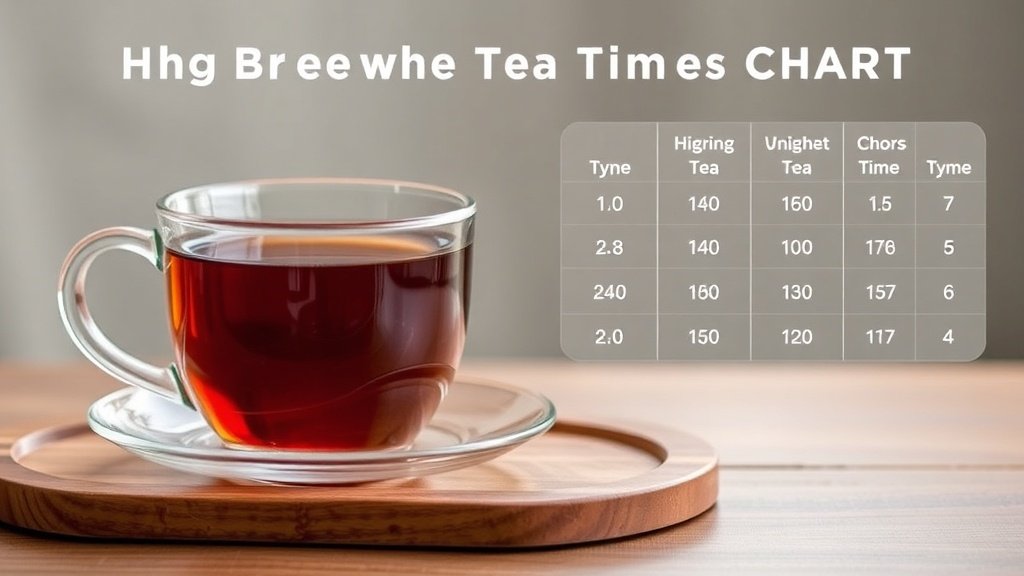

Optimal Brewing Times for Different Types of Tea
When it comes to brewing tea, the right timing can make all the difference. Each type of tea has its own optimal brewing time, affecting flavor, color, and aroma. Understanding these times can help you craft the perfect cup every time, ensuring you enjoy your tea to its fullest potential. Below, you’ll find optimal brewing times for different varieties of tea, making it easy for you to unlock the best flavors.
White Tea
White tea is known for its delicate flavor and subtle sweetness. The brewing process preserves its light qualities. For the best results, use the following guidelines:
- Water Temperature: 160°F – 185°F (71°C – 85°C)
- Brewing Time: 4-5 minutes
Green Tea
Green tea is praised for its fresh taste and numerous health benefits. Overcooking can lead to a bitter flavor, so pay close attention to the brewing time:
Feeling foggy, stuck, or emotionally off?
- • Trouble focusing or feeling scattered
- • Low energy or emotional drive
- • Feeling disconnected or stuck
These tools can help you reset, refocus, and reconnect:
- 🔋 Mitolyn
- Cellular energy & mitochondrial support
- 🌙 SleepLean
- Restful sleep & metabolic balance
- 💧 ProstaVive
- Prostate comfort & urinary support
- Water Temperature: 175°F – 185°F (80°C – 85°C)
- Brewing Time: 2-3 minutes
Oolong Tea
Oolong tea lies somewhere between green and black, offering a complex flavor profile. To extract the best taste:
- Water Temperature: 190°F – 200°F (88°C – 93°C)
- Brewing Time: 4-7 minutes
Black Tea
Black tea boasts a robust flavor and is often enjoyed with milk or sugar. Here are the best brewing guidelines:
- Water Temperature: 200°F – 212°F (93°C – 100°C)
- Brewing Time: 3-5 minutes
Herbal Tea
Herbal teas are technically not traditional teas, as they don’t stem from the Camellia sinensis plant. However, they are still enjoyed for their various flavors. Follow these instructions:
- Water Temperature: 210°F (99°C)
- Brewing Time: 5-7 minutes
Rooibos Tea
Rooibos is a naturally caffeine-free option with a rich, earthy flavor. Brew it to perfection by adhering to the following:
- Water Temperature: 200°F – 212°F (93°C – 100°C)
- Brewing Time: 5-7 minutes
Pu-erh Tea
Pu-erh tea is unique because it is fermented, providing a distinctly rich flavor. For a great cup, keep these tips in mind:
- Water Temperature: 200°F – 212°F (93°C – 100°C)
- Brewing Time: 2-5 minutes, depending on the type of pu-erh (young or aged)
Quick Reference Brewing Time Chart
| Type of Tea | Water Temperature | Brewing Time |
|---|---|---|
| White Tea | 160°F – 185°F | 4-5 minutes |
| Green Tea | 175°F – 185°F | 2-3 minutes |
| Oolong Tea | 190°F – 200°F | 4-7 minutes |
| Black Tea | 200°F – 212°F | 3-5 minutes |
| Herbal Tea | 210°F | 5-7 minutes |
| Rooibos Tea | 200°F – 212°F | 5-7 minutes |
| Pu-erh Tea | 200°F – 212°F | 2-5 minutes |
These guidelines will help you brew the right cup of tea every time. For the best experience, remember to use fresh, filtered water and high-quality tea leaves. Enjoy your brewing!
☕ Transform Your Coffee Into a Wellness Ritual
Smarter caffeine habits, mindful routines, and fat-burning brew strategies.
🌞 Morning Routine — Burn More Fat
🧪 Science Behind Your Sip — Does Coffee Help?
The Impact of Water Temperature on Tea Flavor
Every cup of tea begins with water, but did you know that the temperature of this water can significantly alter the flavor of your brew? Just as different teas require various brewing times, they also need specific water temperatures to unlock their full potential. Understanding how water temperature affects tea flavor can enhance your experience and lead to a more satisfying cup. Here, we will explore the impact of water temperature on different types of tea, allowing you to become a more informed tea drinker.
The fundamental reason water temperature matters lies in the extraction process. When water is too hot for certain types of tea, it can extract bitter compounds while overwhelming delicate flavors. Conversely, if the water isn’t hot enough, it may result in weak or under-extracted tea. Below is a detailed chart reflecting the ideal water temperatures for various teas:
| Type of Tea | Ideal Water Temperature (°F) | Flavor Profile Influence |
|---|---|---|
| White Tea | 160-185°F | Brings out delicate floral flavors and sweetness. |
| Green Tea | 175-185°F | Preserves grassy, vegetal tones without bitterness. |
| Yellow Tea | 175-185°F | Enhances smoothness and natural sweetness. |
| Oolong Tea | 185-205°F | Highlights rich, complex flavors and aromatic qualities. |
| Black Tea | 200-212°F | Brings out robust and malty flavors without excess astringency. |
| Herbal Tea | 200-212°F | Extracts strong flavors and medicinal properties. |
When brewing white tea, for instance, it is essential to use lower water temperatures. Boiling water can overpower its subtle flavors, masking the sweet and floral notes that make this tea special. To prevent this, aim for a water temperature of 160 to 185°F, allowing you to enjoy its full character.
Green tea is another variety that requires attention to temperature. Water temperatures between 175 and 185°F are optimal. Brewing at higher temperatures can lead to bitterness and astringency. Instead, the right temperature will ensure that the tea retains its fresh, grassy flavors. So, be mindful of your water—too hot can ruin a perfectly good cup and alter the intended taste!
Yellow tea, a rare and elegant type, enjoys similar temperatures as green tea. Using the right heat allows the smooth and sweet characteristics to shine without being overpowering. It provides a refreshing cup that is typically less astringent than its green counterpart.
For oolong tea, which falls between green and black tea, the ideal range is slightly higher—185 to 205°F. This allows for its rich and complex flavors to emerge fully while keeping bitterness at bay. Oolong’s unique blending of floral and fruity notes flourishes when brewed at these temperatures.
When it comes to black tea, you can use boiling water—200 to 212°F is suitable. This robust tea benefits from higher temperatures, helping to accentuate its strong, malty flavors. If you prefer a robust black tea, don’t shy away from higher heat, as it will deepen the rich taste you seek.
Herbal teas typically require boiling water as well. The higher temperature helps in extracting the full flavor and benefits from various herbs, resulting in a potent cup. Whether you enjoy mint, chamomile, or hibiscus, boiling enhances the therapeutic properties of the herbs.
The role of water temperature is pivotal in brewing the perfect cup of tea. By understanding the specific needs of each type of tea, you can adjust your water temperature for an optimal infusion. This attention to detail is what transforms a simple cup of tea into a delightful experience. So next time you brew, remember that the right temperature can truly elevate your tea and make it a memorable occasion!
Essential Tools for Perfect Tea Brewing
Brewing the perfect cup of tea is an art that requires the right tools for an exceptional experience. Whether you are a seasoned tea enthusiast or just beginning your journey into the world of tea, having the essential tools can make a significant difference in the final taste and aroma of your brew. Here, we will explore the must-have tools to elevate your tea brewing process.
Teapot or Teacup
Your choice of vessel is crucial for brewing tea. Teapots are great for larger quantities, while teacups are apt for single servings.
- Teapot: Look for ones made from clay, porcelain, or glass. Each material offers unique properties that influence the flavour of the tea.
- Teacup: For a personal touch, choose cups made from porcelain or ceramic to maintain the temperature and flavor.
Tea Infuser
A tea infuser, also known as a tea steeping tool, is essential for loose leaf teas. It allows the leaves to expand fully in water, extracting the maximum flavor and aroma.
- Types of Infusers:
- Ball Infuser: A small, round infuser that is easy to clean and can hold most kinds of loose tea.
- Tea Sock: A reusable fabric filter that can hold a larger quantity of loose tea.
- Mesh Infuser: Ideal for fine teas, as it allows for the water to flow smoothly while keeping the leaves contained.
Digital Scale
Precision is key in brewing tea. A digital scale helps you measure the exact amount of tea leaves to use. This is especially important for high-quality teas where the quantity can greatly affect taste.
| Tea Type | Recommended Quantity |
|---|---|
| Green Tea | 2 grams per 6 ounces of water |
| Black Tea | 2-3 grams per 6 ounces of water |
| Herbal Tea | 2-4 grams per 6 ounces of water |
| Oolong Tea | 3-5 grams per 6 ounces of water |
| White Tea | 2 grams per 6 ounces of water |
Water Temperature Guide
Different teas require different water temperatures for optimal brewing. Using a thermometer can help you get it just right.
| Tea Type | Recommended Water Temperature |
|---|---|
| Green Tea | 160-180°F (71-82°C) |
| Black Tea | 200-212°F (93-100°C) |
| Herbal Tea | 200-212°F (93-100°C) |
| Oolong Tea | 190-200°F (88-93°C) |
| White Tea | 160-185°F (71-85°C) |
Timer
Using a timer is an often-overlooked tool in tea brewing. Different types of tea require varying steeping times for the best flavor release. A timer ensures consistent results every time.
- Recommended Steeping Times:
- Green Tea: 2-3 minutes
- Black Tea: 3-5 minutes
- Oolong Tea: 4-7 minutes
- Herbal Tea: 5-7 minutes
- White Tea: 4-5 minutes
Quality Tea Leaves
No matter how perfect your brewing technique is, using high-quality tea leaves will significantly influence the final product. Consider sourcing your leaves from reputable suppliers to ensure freshness and quality.
- Loose Leaf vs. Tea Bags:
- Loose leaf tea often provides a richer flavor and better quality.
- While tea bags may be convenient, they often contain lower quality leaves and can restrict the brew.
With these essential tools in place, you are well on your way to mastering the art of tea brewing. Remember, taking the time to gather quality equipment, along with understanding each component’s role, will enhance your overall tea experience.
Common Mistakes to Avoid When Brewing Tea
Brewing the perfect cup of tea can be an art form, but it’s easy to fall into several common pitfalls. Here are some mistakes to avoid to ensure you get the best flavor from your tea leaves.
Using the Wrong Water Temperature
Water temperature plays a critical role in extracting the right flavors from your tea. Each type of tea has its ideal brewing temperature:
| Type of Tea | Ideal Brewing Temperature (°F) |
|---|---|
| White Tea | 160-185 |
| Green Tea | 175-185 |
| Oolong Tea | 185-205 |
| Black Tea | 200-212 |
| Herbal Tea | 212 |
Using boiling water for green tea, for instance, can turn what should be a refreshing cup into a bitter brew. Always check the recommended temperatures for each type of tea.
Ignoring Steeping Times
Each type of tea requires a specific steeping time. Over-steeping can make your tea taste harsh and unpleasant. Here’s a quick guide:
| Type of Tea | Steeping Time |
|---|---|
| White Tea | 4-5 Minutes |
| Green Tea | 2-3 Minutes |
| Oolong Tea | 3-5 Minutes |
| Black Tea | 3-5 Minutes |
| Herbal Tea | 5-7 Minutes |
Set a timer to avoid the temptation of letting your tea steep longer than recommended.
Using Old Tea Leaves or Bags
The freshness of your tea is essential for a flavorful cup. Old tea can lose its potency, resulting in a bland or stale taste. To enjoy your tea, keep these tips in mind:
- Store tea in a cool, dark place.
- Seal loose-leaf teas in airtight containers.
- Check the expiration date on tea bags.
Neglecting the Right Tea-to-Water Ratio
The quantity of tea leaves you use can drastically alter the flavor. While preferences vary, a common guideline is:
- 1 teaspoon of loose-leaf tea per cup (8 oz) of water.
- 1 tea bag per cup (8 oz) of water.
If you’re brewing a pot, adjust the quantity accordingly. Too much tea can lead to an overpowering flavor, while too little can leave your cup weak.
Using Tap Water Without Considering Quality
The quality of the water you use is as important as the tea itself. Tap water often contains chlorine and other minerals that can affect the taste. For the best results, consider using:
- Filtered water
- Bottled water
- Spring water
Not Pre-Warming Your Teapot or Mug
A quick tip for enhancing the temperature stability of your tea is to pre-warm your teapot or mug. Pour hot water into the vessel and let it sit for a minute before pouring in your brewed tea. This simple step can help keep your drink warmer for longer.
Forgetting to Experiment with Flavors
Tea brewing doesn’t have to be rigid. Don’t forget to experiment with flavors. Add fruits, herbs, or spices to explore new taste profiles. Some delicious combinations to try include:
- Lemon with black tea
- Mint with green tea
- Ginger with herbal tea
By avoiding these common mistakes, you can turn your tea brewing experience into a delightful ritual that yields aromatic, flavorful, and enjoyable results. Happy brewing!
Exploring Herbal Teas: Unique Brewing Techniques and Times
Herbal teas have gained immense popularity due to their unique flavors and health benefits. Unlike traditional black or green teas, herbal teas can be made from a variety of plants, including leaves, flowers, seeds, and roots. This diversity leads to a broad spectrum of brewing techniques and times that are important for unlocking the full potential of each blend. By applying the right brewing method and timing, you can enhance the natural flavors and health benefits of your herbal teas.
The brewing time for herbal teas varies depending on the type and strength you want to achieve. Below is a helpful chart that outlines different herbal teas along with their recommended brewing times:
| Herbal Tea | Brewing Time | Water Temperature (°F) |
|---|---|---|
| Chamomile | 5-7 minutes | 200°F |
| Peppermint | 5-10 minutes | 200°F |
| Hibiscus | 6-8 minutes | 210°F |
| Rooibos | 5-7 minutes | 200°F |
| Lemon Balm | 5 minutes | 200°F |
| Ginger | 10-15 minutes | 210°F |
| Lavender | 5-10 minutes | 200°F |
| Echinacea | 10-15 minutes | 210°F |
Chamomile tea is one of the most popular herbal teas, known for its calming properties. To brew it, steep the chamomile flowers or tea bag in hot water for about 5 to 7 minutes. This duration extracts the optimal flavors while allowing the soothing compounds to infuse into your cup.
For peppermint tea, you may enjoy the refreshing and uplifting qualities it brings. The recommended brewing time is between 5 to 10 minutes, and using water at 200°F enhances its minty flavor while preserving its health benefits, such as reducing headaches and digestive discomfort.
Hibiscus tea, with its vibrant color and tangy flavor, requires a slightly longer brewing time of about 6 to 8 minutes. The water should be heated to a rolling boil at around 210°F. This will help to fully extract the antioxidants and vitamins present in the dried hibiscus petals.
Rooibos, a naturally caffeine-free option, should steep for about 5 to 7 minutes at a temperature of 200°F to bring out its sweet and earthy flavors. This tea is also rich in antioxidants and is known for its anti-inflammatory properties.
Lemon balm, famous for its lemony scent, is best brewed for around 5 minutes. The warmth of the 200°F water releases its calming effects, making it excellent for winding down after a busy day.
When brewing ginger tea, you should slice fresh ginger and boil it for 10 to 15 minutes using water at 210°F. This time allows the zesty flavor and health-boosting benefits to shine through, including its anti-nausea and digestion-enhancing properties.
Lavender tea isn’t just aromatic but also contributes to relaxation. Steeping lavender flowers for 5 to 10 minutes in 200°F water will help release their soothing compounds along with its distinct floral notes.
If you’re looking for immune-boosting properties, echinacea tea is a great choice. Steep echinacea in boiling water (210°F) for 10 to 15 minutes to extract the maximum benefits. The longer brewing time allows you to take full advantage of its potential effects on your health.
Experimenting with brewing times can lead to delightful variations in flavor and strength. It’s essential to adjust the time according to your preference as well as the specific herbs used. Whether you prefer your herbal tea light and delicate or strong and bold, understanding unique brewing techniques and times is the key to unlocking the best of these botanical brews.
Key Takeaway:
When it comes to brewing the perfect cup of tea, several factors come into play that can significantly influence both flavor and overall enjoyment. Understanding optimal brewing times for different types of tea is crucial. Each tea variety, whether it’s black, green, white, oolong, or herbal, has its unique brewing time that unlocks its full flavor potential. For instance, black tea typically benefits from a brewing period of 3 to 5 minutes, while green tea is best enjoyed with a shorter infusion of 2 to 3 minutes. Familiarizing yourself with these times ensures that you extract just the right amount of flavor without turning your tea bitter or too weak.
Water temperature also plays a pivotal role in the brewing process. Different teas require specific temperatures to bring out their best characteristics. For example, delicate white and green teas thrive in cooler waters, around 160°F to 180°F, while black and oolong teas require hotter water, typically between 190°F to 212°F. Using water that’s too hot can cause the more delicate varieties to lose their nuanced flavors, while cooler water won’t adequately extract the rich tastes of stronger teas. Therefore, ensuring that you use the right water temperature is just as important as timing.
Equipping yourself with essential tools can elevate your tea brewing experience. A good quality kettle with temperature settings, a reliable timer, and a proper tea strainer can make a world of difference. These tools not only help you achieve the right temperatures and times but also allow for a more enjoyable and precise brewing process.
Avoiding common mistakes when brewing tea is another significant aspect of achieving that perfect cup. Some common pitfalls include using old or low-quality tea leaves, not allowing the tea to steep for the right amount of time, or using unfiltered water, which can detract from the tea’s flavor.
Exploring herbal teas introduces unique brewing techniques and times that differ from traditional teas. Herbal infusions often require longer steeping times, usually around 5 to 7 minutes, and can benefit from boiling water to extract their full range of flavors.
Mastering tea brewing hinges on understanding optimal brewing times and water temperatures, using the right tools, avoiding frequent mistakes, and exploring the distinct methods suitable for herbal teas. This knowledge ensures you enjoy a flavorful and satisfying cup of tea each time you brew.
Conclusion
When brewing the perfect cup of tea, understanding the nuances of optimal brewing times for each type is crucial. From delicate green teas that benefit from shorter infusions to robust black teas that thrive on longer steeping times, knowing the right durations can significantly enhance your tea experience. The water temperature also plays a vital role; using the correct heat can unlock a tea’s full flavor potential, ensuring that each sip is as enjoyable as possible.
To achieve that perfect brew, having the right tools is essential. Whether it’s a quality teapot, an accurate thermometer, or a fine mesh strainer, these essentials can significantly influence the outcome of your tea. However, it’s just as important to be aware of common mistakes, such as using water that’s too hot or steeping for too long, which can lead to bitterness or a lack of flavor.
If you find yourself venturing into herbal teas, remember that their unique characteristics often require different techniques and brewing times. Getting to know the specific needs of herbal varieties can open up a whole new world of flavors and aromas.
Ultimately, the art of tea brewing lies in experimentation and mindfulness. By respecting the intricacies of each tea type, from water temperature to brewing time and technique, you can elevate your tea-drinking experience to new heights. Embrace the journey, enjoy each cup, and find joy in discovering the perfect brew just for you.