

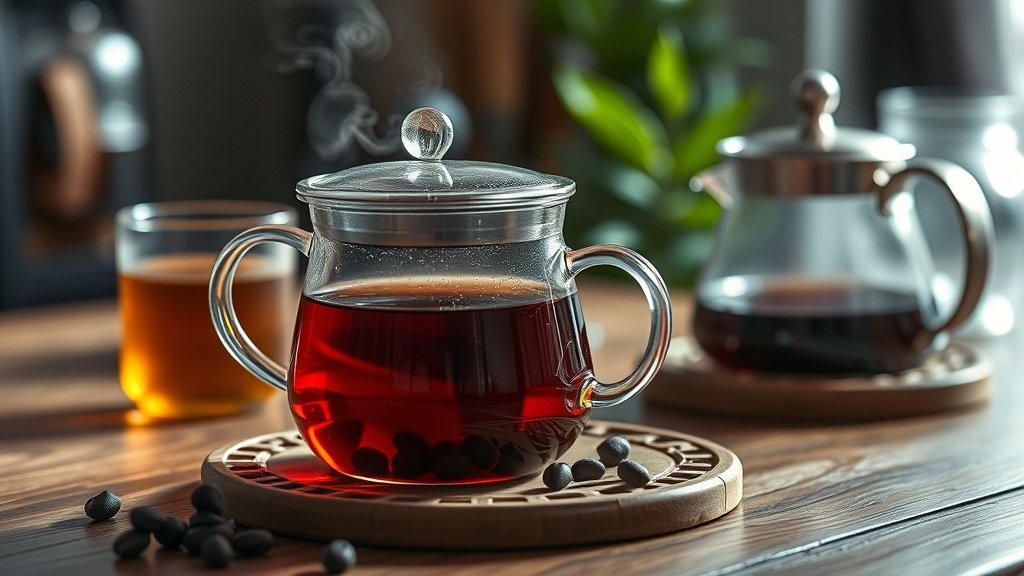

Common Tea Brewing Mistakes and How to Fix Them
When it comes to brewing a perfect cup of tea, even the most seasoned tea lovers can make mistakes. Understanding and avoiding common pitfalls can dramatically improve your tea experience. Here, we’ll cover some frequent tea brewing mistakes and how to fix them.
Incorrect Water Temperature
One of the most common mistakes is using the wrong water temperature. Different types of tea require different temperatures for optimal brewing. Here’s a quick reference:
| Type of Tea | Temperature (°F) | Temperature (°C) |
|---|---|---|
| Green Tea | 160-180 | 70-80 |
| White Tea | 160-185 | 70-85 |
| Oolong Tea | 180-200 | 80-93 |
| Black Tea | 200-212 | 93-100 |
| Herbal Tea | 200-212 | 93-100 |
To fix this, make sure to heat your water according to the type of tea you are brewing. A simple thermometer or a kettle with temperature control can be very useful.
Feeling foggy, stuck, or emotionally off?
- • Trouble focusing or feeling scattered
- • Low energy or emotional drive
- • Feeling disconnected or stuck
These tools can help you reset, refocus, and reconnect:
- 🔋 Mitolyn
- Cellular energy & mitochondrial support
- 🌙 SleepLean
- Restful sleep & metabolic balance
- 💧 ProstaVive
- Prostate comfort & urinary support
Steeping Time Errors
Another frequent mistake is not steeping your tea long enough or steeping it for too long. Under-steeping can result in weak flavor, while over-steeping can make your tea taste bitter. Here’s a general guideline:
- Green Tea: 2-3 minutes
- White Tea: 4-5 minutes
- Oolong Tea: 3-5 minutes
- Black Tea: 3-5 minutes
- Herbal Tea: 5-7 minutes
To correct your steeping mistakes, set a timer to ensure you’re steeping for the recommended time.
Using Old or Poor-Quality Tea
Using stale or low-quality tea can significantly affect the flavor of your brew. Tea can lose its freshness over time, leading to a dull taste. Always check the expiration date on your tea packages, and store them in a cool, dark place to preserve their quality.
For a better experience, consider investing in high-quality loose leaf tea. Not only does it generally taste better, but it’s also fresher than many pre-packaged tea bags.
Not Using Enough Tea
Using too little tea is another common mistake. A general rule of thumb is to use one teaspoon of loose tea per cup or one tea bag per cup. If you prefer stronger tea, feel free to add a bit more.
To fix this, prepare your tea using the right amount of leaves or bags based on your preference. Keep in mind that brewing in larger quantities is just as important as individual cups, so scale up accordingly.
☕ Transform Your Coffee Into a Wellness Ritual
Smarter caffeine habits, mindful routines, and fat-burning brew strategies.
🌞 Morning Routine — Burn More Fat
🧪 Science Behind Your Sip — Does Coffee Help?
Neglecting to Clean Brew Equipment
Old tea residues in your teapot or infuser can negatively affect the flavor profile of your tea. Ensure you clean your brewing equipment regularly to enjoy the best taste. It’s simple: rinse out your infuser and teapot after each use.
To enhance the cleaning process, use a mixture of baking soda and hot water to remove stubborn stains or residues. Rinse thoroughly afterward to prevent any unwanted flavors in future brews.
Water Quality
The quality of water used in brewing tea is often overlooked. Tap water that is heavily chlorinated or has strong mineral content can ruin your tea’s flavor. Always use filtered or spring water for the best results.
If you are unsure about your water’s quality, consider investing in a water filtration system or use bottled water specifically for brewing tea.
By being mindful of these common mistakes—like incorrect water temperature, improper steeping time, and poor-quality tea—you can enhance your tea experience dramatically. With a few simple adjustments, you can savor a delicious cup of tea every time you brew. Enjoy your tea journey!
The Importance of Water Quality in Tea Brewing
When it comes to brewing a perfect cup of tea, many factors come into play. One of the most critical yet often overlooked elements is the quality of the water. Even the finest tea leaves can’t reach their full flavor potential if they are brewed with poor-quality water. Understanding the importance of water quality can significantly enhance your tea experience.
Why Water Quality Matters
Water makes up the majority of your tea, typically around 95%. Therefore, the composition of that water directly affects the taste and aroma of your brew. Here are some key components of water quality to consider:
- Mineral Content: Minerals such as calcium, magnesium, and potassium can enhance flavor, while excessive minerals may lead to undesirable tastes.
- pH Level: The acidity or alkalinity of water can alter the brewing process and, subsequently, the taste of tea. Ideally, tea should be brewed with water that has a pH of around 7.
- Chlorine and Fluoride: Many municipal water supplies contain additives like chlorine and fluoride that can negatively affect the taste of tea.
- Hardness: Hard water, which contains a high concentration of dissolved minerals, can cause tea to taste bitter or flat.
- Carbonation: Sparkling water is often not suitable for brewing tea, as the carbonation can alter its flavor.
Choosing the Right Water
To brew the best tea, it’s essential to choose the right type of water. Here are some recommended options:
| Type of Water | Pros | Cons |
|---|---|---|
| Filtered Water | Removes chlorine, sediment, and other impurities. | May not provide enough minerals for flavor. |
| Bottled Spring Water | Contains natural minerals; offers a fresh taste. | Can be costly and not environmentally friendly. |
| Distilled Water | Free of impurities and minerals. | Lacks flavor and can lead to a flat tea. |
| Tap Water | Convenient and cost-effective. | May contain chlorine and other additives. |
How to Test Water Quality
If you’re unsure of your water quality, there are a few simple tests you can perform at home:
- Taste Test: Fill a glass with water and taste it. If it has a chlorine or metallic flavor, it’s likely not the best choice.
- pH Test Strips: These can be easily purchased online or at a local store. A reading of around 6.5 to 7.5 is ideal for tea brewing.
- Hardness Test: Kits are available to measure the hardness of water. A hardness level of 50-150 mg/L is generally good for tea.
Tips for Improving Water Quality
Once you’ve assessed your water, there are steps you can take to improve its quality:
- Use a high-quality water filtration system to remove impurities.
- If using tap water, let it sit for a few hours to allow chlorine to dissipate before boiling.
- Experiment with different types of bottled water to find one that enhances your tea’s flavor.
- Consider adding a mineral supplement specifically designed for brewing if using distilled water.
Remember that good tea starts with good water. Paying attention to the quality of the water you use can transform your tea brewing experience. You’ll find that each sip of tea is more flavorful, aromatic, and satisfying when you use water that complements your tea leaves. Whether you are a casual tea drinker or a seasoned connoisseur, prioritizing water quality will set you on the path to brewing exceptional tea.
Ideal Steeping Times for Different Types of Tea
Brewing a perfect cup of tea goes beyond just boiling water and steeping the tea leaves; the ideal steeping time is crucial for achieving the best flavor and aroma. Different types of tea require varying steeping times to unlock their unique characteristics. Here’s a comprehensive guide to help you steep each tea type correctly.
Green Tea
Green tea is known for its delicate flavor and various health benefits. Oversteeping it can lead to a bitter taste. The ideal steeping time for green tea generally falls between:
- 1 to 3 minutes
For a smoother taste, use water at a lower temperature, around 160°F to 180°F (70°C to 80°C).
Black Tea
Black tea is robust and bold, making it the perfect tea for breakfast or any time you need a boost. To extract its full flavor, steep black tea for:
- 3 to 5 minutes
Using boiling water, around 200°F to 212°F (93°C to 100°C), helps bring out its rich flavors.
White Tea
This tea is one of the least processed varieties, featuring soft leaves and a light flavor. Steeping white tea is a gentle process, with an ideal time of:
- 4 to 5 minutes
Water temperature should be around 160°F to 185°F (70°C to 85°C) to maintain its subtle flavor profile.
Oolong Tea
Oolong tea is partially oxidized and has a unique flavor that can be floral, fruity, or creamy depending on the variety. The proper steeping time ranges from:
- 3 to 5 minutes
Use water heated to approximately 190°F to 200°F (88°C to 93°C) for the best experience.
Herbal Tea
Herbal teas, though not technically made from tea leaves, are still steeped to extract flavors and benefits. They typically need a longer steeping time of:
- 5 to 7 minutes
Using boiling water (around 212°F or 100°C) ensures that the flavors and beneficial properties are fully released.
Specialty Tea Types
Some specialty teas, such as matcha or blooming teas, have unique brewing requirements:
- Matcha: Whisk with hot water at about 175°F (80°C). No steeping time is needed, just blend well.
- Blooming tea: Place in hot water at 190°F (88°C) and watch it unfurl. Steep for about 5 minutes.
Tips for Perfect Steeping
To ensure that you’re brewing the best tea possible, keep these tips in mind:
- Use quality tea leaves, whether loose or bagged.
- Measure the tea correctly: a standard recommendation is 1 teaspoon of loose-leaf tea per cup.
- Pay attention to water quality; filtered water can enhance the taste.
- Consider using a timer to ensure precise steeping times.
- Experiment with steeping times to discover your personal flavor preference.
Adjusting to Personal Taste
In the end, while these steeping times are excellent starting points, remember that personal preference plays a significant role. If you enjoy a more robust flavor, try steeping for an additional minute. Conversely, if you prefer a lighter taste, you can shorten the steeping time. The key is to have fun and experiment!
Whether you’re a new tea drinker or a seasoned aficionado, understanding the ideal steeping times for different types of tea will elevate your brewing game. Enjoy your perfect cup of tea!
The Impact of Tea Leaf Size on Flavor Extraction
When it comes to brewing a perfect cup of tea, one factor that often goes unnoticed is the size of the tea leaves. The size can significantly affect flavor extraction, ultimately influencing your overall tea experience. By understanding how tea leaf size impacts the brewing process, you can optimize your preparation methods for better taste.
Tea leaves come in various sizes, from whole leaves to dust. Each size has unique characteristics that affect brewing time, temperature, and the final flavor profile. Let’s explore how leaf size interacts with water, how it impacts flavor extraction, and how to brew your tea perfectly based on these attributes.
Understanding Tea Leaf Sizes
Tea leaves can generally be categorized into four main types:
- Whole Leaves: These are large, unbroken leaves that offer a delicate and complex flavor. Whole leaves take longer to release their flavors due to their larger surface area.
- Broken Leaves: Broken leaves brew faster than whole leaves, allowing for quicker flavor extraction. They provide a more robust flavor due to the increased surface area exposed to water.
- Fannings: These are smaller fragments of tea leaves and usually brew quickly, resulting in a strong and sometimes astringent flavor. They are often found in tea bags.
- Dust: The smallest size, dust leaves, brew the fastest, providing a strong flavor but can become bitter if over-steeped.
Flavor Extraction Mechanism
The process of flavor extraction involves several factors, including leaf size, brewing temperature, and time. As the water interacts with the tea leaves, it breaks down the cell walls, releasing polyphenols, caffeine, and essential oils, all of which contribute to flavor and aroma.
When larger leaves are used, the extraction is slower because the water needs more time to penetrate the leaf structure. Conversely, smaller leaves or dust can lead to a quicker release of flavors but can also lead to over-extraction, causing bitterness.
Impact of Leaf Size on Brewing
Understanding the optimal brewing methods for different tea leaf sizes can enhance your tea experience. Here’s a breakdown:
| Leaf Size | Steeping Time | Optimal Temperature | Flavor Profile |
|---|---|---|---|
| Whole Leaves | 3-5 minutes | 190-212°F (88-100°C) | Delicate, Complex |
| Broken Leaves | 2-4 minutes | 185-200°F (85-93°C) | Robust, Balanced |
| Fannings | 1-3 minutes | 180-195°F (82-91°C) | Strong, Astringent |
| Dust | 1-2 minutes | 170-185°F (77-85°C) | Bitter, Intense |
By adjusting the steeping time and temperature according to the size of your tea leaves, you can enhance the extraction process and enjoy the best flavor profile that each tea has to offer.
Practical Brewing Tips
To maximize your tea experience based on leaf size, consider the following tips:
- Measure Your Leaves: Use the right amount of tea leaves based on size. For whole leaves, use about 1 teaspoon per cup; for broken leaves, use slightly less.
- Watch Your Temperature: Ensure that you’re using the correct water temperature. Overheating water can lead to a harsh taste, especially with more delicate whole leaves.
- Time It Right: Be attentive to steeping time. Testing the flavor at increments will help you find the ideal brew strength.
- Use Quality Water: The quality of water can affect taste. Filtered or fresh spring water can enhance the sipping experience.
Understanding how the size of tea leaves affects flavor extraction is crucial for any tea enthusiast. By using the right methods for each size, you can create a delightful cup of tea that truly showcases the flavor you desire.
How to Choose the Right Tea-to-Water Ratio for Perfect Brews
Brewing the perfect cup of tea may seem simple, but getting the right tea-to-water ratio can make all the difference in taste. Whether you’re a tea novice or a seasoned enthusiast, understanding how much tea to use based on the type of water you have will help you enjoy every sip. Here are some vital tips to choose the right tea-to-water ratio for excellent brews.
Understanding Tea Types
Before diving into the tea-to-water ratio, you need to recognize that different types of tea require different brewing methods. Common types of tea include:
- Green Tea: Delicate and light, often requiring less tea.
- Black Tea: Strong and robust, can handle a higher tea concentration.
- Herbal Tea: A wide range of flavors, often brewed similarly to black tea.
- Oolong Tea: Semi-oxidized, requiring specific attention based on type.
- White Tea: Light and subtle, usually requires less than black tea.
Common Ratios to Consider
Your tea-to-water ratio will depend on your personal taste and the type of tea you are using. Here’s a general guide to follow:
| Tea Type | Amount of Tea (grams or teaspoons) | Amount of Water (ml or cups) |
|---|---|---|
| Green Tea | 1-2 teaspoons (2-4g) | 240 ml (1 cup) |
| Black Tea | 2-3 teaspoons (4-6g) | 240 ml (1 cup) |
| Herbal Tea | 2-3 teaspoons (4-6g) | 240 ml (1 cup) |
| Oolong Tea | 1-2 teaspoons (2-4g) | 240 ml (1 cup) |
| White Tea | 2-3 teaspoons (4-6g) | 240 ml (1 cup) |
Factors Affecting Tea Strength
While the above table offers a solid starting point, several factors influence the strength of your brew:
- Water Quality: Soft water tends to brew a lighter cup, while hard water may require more tea.
- Brew Time: Steeping tea longer increases strength—balance this with your original tea-to-water ratio.
- Temperature: Use hotter water for black teas and lower temperatures for green or white teas.
- Personal Preference: Everyone’s taste buds vary. Adjust the ratio to suit your liking.
Experimentation is Key
The best way to find the perfect tea-to-water ratio for your personal taste is through experimentation. Start with the recommended amounts, then adjust based on your brewing experience. Take notes on what worked and what didn’t to help you find your ideal mixture over time.
Common Mistakes and How to Avoid Them
Even seasoned tea drinkers can make mistakes that ruin a good brew. Here are some tips to avoid common pitfalls:
- Using the Wrong Water Temperature: Always follow the recommended temperatures for each tea type. Boiling water is not ideal for green tea and may lead to bitterness.
- Not Measuring Your Tea: Using too much or too little tea can spoil the flavor. Use a kitchen scale or measuring spoons to stay consistent.
- Oversteeping: Leaving tea to steep too long can extract unwanted flavors. Use a timer to avoid this mistake right away.
- Ignoring the Quality of Ingredients: Always use fresh tea and clean water. Stale ingredients can drastically affect the taste.
Once you’ve mastered the tea-to-water ratio, you’ll find that brewing the perfect cup becomes much easier. Each cup of tea can be a delightful experience when prepared with care. Enjoy experimenting and find your ideal brew!
Key Takeaway:
Brewing the perfect cup of tea may seem simple, but many coffee and tea lovers make common mistakes that can drastically affect the flavor and quality of their brew. To enhance your tea experience, it’s crucial to understand and avoid these pitfalls, while also mastering some key principles of tea brewing.
One of the first aspects to consider is water quality. Water is the main ingredient in tea, so using clean, filtered water can significantly enhance the taste. Tap water, which often contains chlorine and other impurities, can muddy the delicate flavors of your tea. Invest in a water filter or use bottled water to promote a cleaner, fresher tea experience.
Next, let’s discuss steeping times, which vary significantly depending on the type of tea you’re making. Over-steeping can lead to bitterness, while under-steeping results in a weak flavor. Black tea generally requires 3 to 5 minutes, green tea is best steeped for 2 to 3 minutes, and herbal teas can steep for 5 to 7 minutes. Adjusting your steeping time according to your preference can help you dial in the perfect cup.
The size of tea leaves is another factor that impacts flavor extraction. Whole leaf teas release flavor more gently than smaller, broken leaves found in many bagged teas. This means you may need to experiment with the amount of leaves you use. Larger leaves require more time to release their flavor, while smaller leaves extract their essence more quickly. Understanding this will help you achieve an optimal brew.
Choosing the right tea-to-water ratio is essential for a balanced flavor. A general guideline is one teaspoon of loose tea per cup of water. However, personal taste may vary, so feel free to adjust this based on how strong you like your tea.
Paying attention to water quality, steeping times, leaf size, and the tea-to-water ratio can significantly improve your tea brewing skills. By avoiding these common mistakes, you’ll be on your way to enjoying a luscious, flavorful cup of tea every time you brew. Engage with these concepts, and your tea time will become a truly enjoyable ritual.
Conclusion
Brewing the perfect cup of tea is an art that requires attention to detail and an understanding of common pitfalls. Recognizing common tea brewing mistakes, such as using poor-quality water or steeping for the wrong amount of time, is the first step toward elevating your tea experience. Water quality plays a crucial role; using filtered or spring water can significantly enhance the flavor profile of your brew.
Understanding the ideal steeping times for different types of tea is equally important. Whether it’s the brisk notes of green tea or the robust flavors of black tea, each variety has its own requirements to unleash its full potential. Don’t overlook the size of your tea leaves; larger leaves tend to impart flavor more gradually, while smaller leaves can release their essence quickly.
Equally essential is mastering the tea-to-water ratio. A balanced ratio is key to achieving that perfect harmony of flavor and strength. By fine-tuning these elements, you can transform your daily tea ritual into a delightful experience.
Embracing these insights will not only prevent common mistakes but will also empower you to appreciate the nuances in each brew. With practice, your tea-making skills will flourish, allowing you to share delightful cups of tea with friends and family. Happy brewing!