

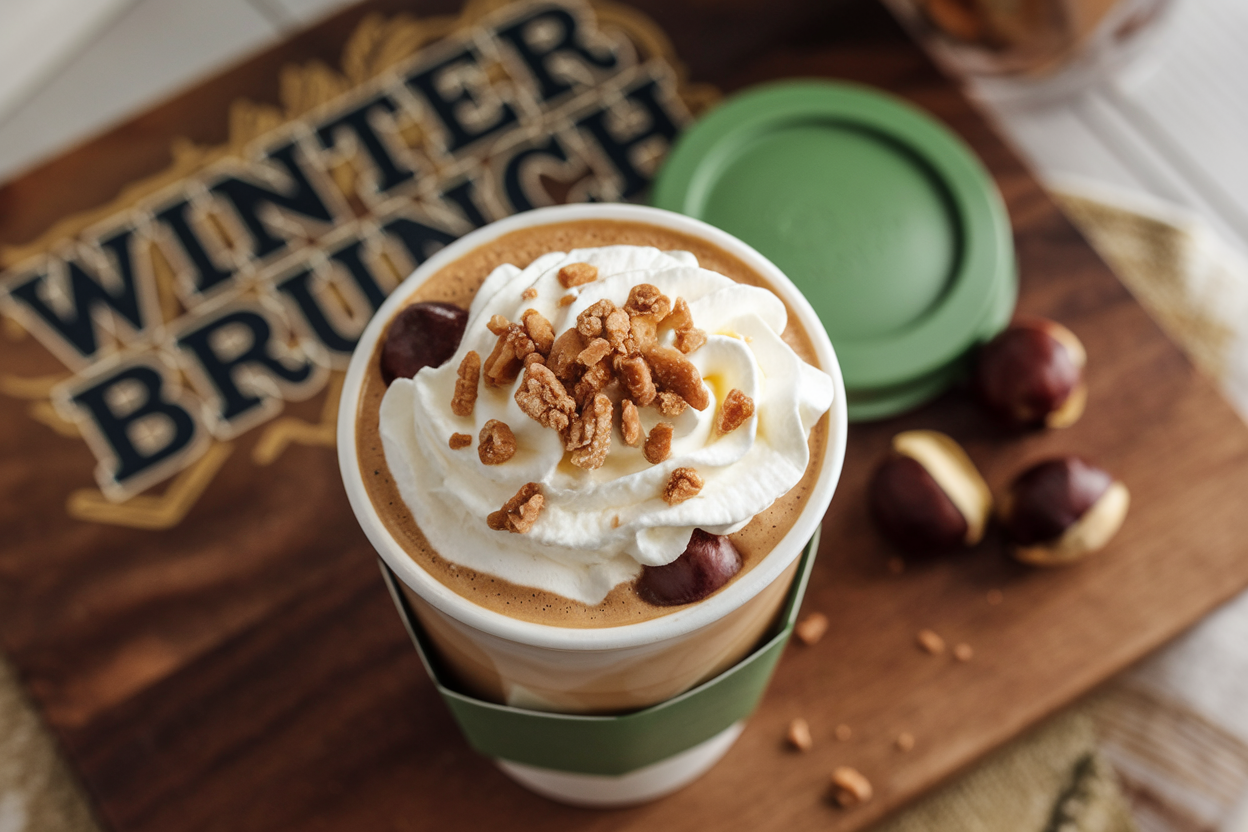

Forget boring brunch. Picture your hands wrapped around a mug that smells like a sugared forest and tastes like satin. That’s this Maple Chestnut Latte—comforting, festive, low-effort, and absolutely “post-worthy.” It’s the kind of drink that makes store-bought pastries feel artisan and turns your living room into a café people would wait in line for.
Warning: guests will ask for seconds, and you’ll pretend it’s a hassle while secretly loving the applause.
Table of Contents
Feeling foggy, stuck, or emotionally off?
- • Trouble focusing or feeling scattered
- • Low energy or emotional drive
- • Feeling disconnected or stuck
These tools can help you reset, refocus, and reconnect:
- 🔋 Mitolyn
- Cellular energy & mitochondrial support
- 🌙 SleepLean
- Restful sleep & metabolic balance
- 💧 ProstaVive
- Prostate comfort & urinary support
The Secret Behind This Recipe
The magic is in three things: the nutty creaminess of roasted chestnuts, the caramel depth of real maple, and silky microfoamed milk. Chestnuts are naturally sweet and buttery, so they blend into a luxuriously smooth base without needing tons of sugar. Maple syrup provides layered sweetness with mineral notes, especially if you use Grade A Dark/Robust.
And the espresso? It anchors everything, cutting through the richness like a pro. We build a quick chestnut-maple paste, then incorporate it into hot milk, strain for silk, and finish with espresso.
You get café-level texture with simple tools, no latte art degree required. Consider this your winter flex: refined flavor, ridiculously easy execution.
Ingredients
- Espresso: 2 shots (about 60 ml), or 1/2 cup strong brewed coffee as a backup
- Milk: 1 cup (240 ml) whole milk or barista oat milk for a creamy, stable foam
- Roasted chestnuts: 1/3 cup (about 60 g), vacuum-packed or freshly roasted, peeled
- Maple syrup: 1.5–2 tablespoons, Grade A Dark/Robust preferred
- Vanilla extract: 1/2 teaspoon
- Pinch of salt: to round the sweetness
- Ground cinnamon: a pinch, plus extra for dusting
- Optional: 1–2 teaspoons chestnut puree or chestnut spread for extra nuttiness
- Optional garnish: whipped cream, shaved dark chocolate, or crushed candied chestnuts
Cooking Instructions
- Warm the milk base: In a small saucepan, combine milk, chestnuts, maple syrup, vanilla, salt, and a pinch of cinnamon. Heat gently over medium-low until steaming, not boiling, 4–6 minutes.
- Blend it silky: Transfer the hot mixture to a blender and blend until completely smooth.
If you don’t have a blender, use an immersion blender directly in the pot.
- Strain for café texture: Pour the blended milk through a fine-mesh sieve into a clean pot or pitcher to remove any tiny chestnut bits. This is the “wow” step.
- Froth like a pro: Use a milk frother, steam wand, or shake in a sealed jar (30–45 seconds) to build microfoam. Keep it around 140–150°F (60–65°C) for best sweetness.
- Pull your espresso: Make 2 shots of espresso.
No espresso machine? Brew strong moka pot or concentrated AeroPress; worst case, very strong French press coffee.
- Assemble: Divide espresso into two warm mugs. Pour in the maple-chestnut milk, holding back the foam with a spoon, then spoon the foam on top.
- Finish: Dust with cinnamon.
Optional: add whipped cream and a drizzle of maple. If you’re feeling extra, shave dark chocolate on top because you’re fancy.
- Taste and tweak: Need more sweetness? Add 1 teaspoon maple and stir.
Want more nutty depth? Stir in a teaspoon of chestnut puree.
Preservation Guide
- Make-ahead base: Blend the chestnut-maple milk (steps 1–3) and refrigerate in a sealed jar for up to 3 days.
- Reheat gently: Warm on low heat, whisking to re-emulsify. Don’t boil—boiling can break the milk and mute the maple aroma.
- Freezing: Freeze the chestnut milk base (without foam) in ice cube trays for up to 1 month.
Thaw overnight and re-blend for smoothness.
- No leftover espresso: Brew espresso fresh. If you must hold it, keep it covered at room temp for no more than 30 minutes—flavor drops fast.
Health Benefits
- Chestnut perks: Lower in fat than most nuts, chestnuts bring fiber, vitamin C, and B vitamins. That means energy without the heavy crash.
- Real maple minerals: Maple syrup contains manganese and zinc, adding trace nutrients vs. empty-calorie sweeteners.
Still sugar, but smarter.
- Protein and satiety: Dairy or fortified oat milk adds protein and helps keep you fuller through brunch. Amirite about the mid-morning snack attack?
- Lower acidity option: Chestnut’s natural sweetness softens coffee’s bite—gentler on the stomach while keeping the flavor bold.
Avoid These Mistakes
- Skipping the strain: Unstrained chestnut bits = gritty latte. Straining takes 30 seconds and makes it café-smooth.
- Overheating the milk: Boiled milk tastes flat and can curdle plant milks.
Keep it below a simmer for sweetness and foam stability.
- Using watery coffee: Weak coffee disappears under the maple and chestnut. Go concentrated or go home.
- Wrong maple grade: Light maple tastes shy. Use Grade A Dark/Robust to stand up to espresso.
- Too much sweetness: Start with 1.5 tablespoons maple and adjust.
You can always add; you can’t subtract (unless you enjoy regret).
Variations You Can Try
- Spiced chalet: Add 1/8 teaspoon ground cardamom and a pinch of nutmeg to the milk base. Fragrant, cozy, slightly mysterious—like that one neighbor’s ski stories.
- Bourbon-maple twist: Stir in 1 teaspoon bourbon or bourbon extract per mug for a grown-up brunch vibe. FYI: this is dangerously good.
- Mocha chestnut latte: Whisk in 1 teaspoon Dutch cocoa to the milk base.
Chocolate + chestnut = elite combo.
- Vegan upgrade: Use barista oat milk or cashew milk. Add 1 teaspoon refined coconut oil to mimic dairy silkiness.
- Low-caffeine: Swap half the espresso with chicory coffee or use decaf espresso to keep the flavor without the jitters.
- Iced version: Chill the strained milk, pour over ice, add espresso, and shake in a jar. Top with cold foam for summer-winter crossover energy.
FAQ
Can I use canned chestnut puree instead of whole chestnuts?
Yes.
Use unsweetened chestnut puree 1:1 by volume. If using sweetened chestnut spread, reduce the maple syrup by 1 tablespoon to prevent sugar overload.
What’s the best coffee method if I don’t have an espresso machine?
Moka pot or AeroPress with a fine grind and short brew time. Aim for a rich, concentrated shot-like coffee to balance the creamy base.
☕ Transform Your Coffee Into a Wellness Ritual
Smarter caffeine habits, mindful routines, and fat-burning brew strategies.
🌞 Morning Routine — Burn More Fat
🧪 Science Behind Your Sip — Does Coffee Help?
Is this gluten-free?
Chestnuts, maple, milk, and coffee are naturally gluten-free.
Just verify your oat milk is certified GF if you’re sensitive.
How do I get better foam without fancy gear?
Heat milk to 140–150°F, then use a handheld frother or shake it in a sealed jar vigorously. Whole milk or barista oat milk foams most reliably, IMO.
Can I make a big batch for guests?
Absolutely. Multiply the milk base, keep it warm in a thermos, and brew espresso per cup.
Let guests pour, foam, and top their own mugs—DIY latte bar for the win.
What if my latte tastes thin?
Blend longer, add 1–2 teaspoons chestnut puree, and ensure your coffee is strong. A pinch more salt can also amplify the maple and nut flavors.
Wrapping Up
The Maple Chestnut Latte for Winter Brunch is comfort with charisma—silky, nutty, and layered with real maple warmth. It feels special without hijacking your morning, and it plays nice with everything from croissants to crispy bacon.
Make the base, pull a bold coffee, finish with foam, and boom: instant brunch hero. Your kitchen just became the coziest spot in town—no reservation needed.
Printable Recipe Card
Want just the essential recipe details without scrolling through the article? Get our printable recipe card with just the ingredients and instructions.